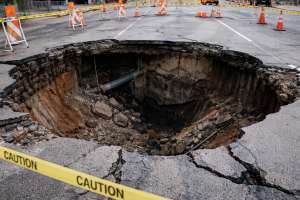
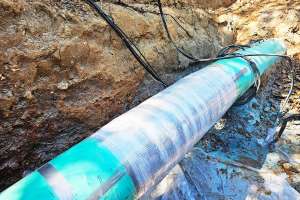
A 48-inch water main ruptured in Uptown New Orleans on Jan. 31, causing significant flooding. The break occurred near the intersection of Panola and Fern streets, creating hazardous road conditions and opening a sinkhole on Panola Street that swallowed a vehicle.
Because the rupture caused water pressure in the system to drop below 20 psi, the Sewerage and Water Board, in conjunction with the Louisiana Department of Health, issued a precautionary boil-water advisory for a large portion of the Uptown area.
Research Finds PFAS Decline in Great Lakes Fish
New research published in the Journal of Great Lakes Research indicates a significant decline in PFAS within Great Lakes fish, potentially signaling a future end to strict consumption warnings. By analyzing archived trout and walleye samples spanning from 1975 to 2020, scientists determined that contamination levels peaked in 2008 before falling to their lowest point in decades.
The downward trend suggests that regulatory changes and shifts in manufacturing practices during the early 2000s are having a positive impact on the ecosystem. Despite the improvement, researchers clarify that the chemicals are likely diluting into the ocean via the St. Lawrence Seaway rather than breaking down naturally.
Honu Hub Develops Affordable Cesspool Alternative
Researchers from the University of Hawaii at Manoa are part of a team awarded a three-year, $5 million grant from the National Science Foundation to address outdated wastewater systems in island communities.
The initiative, known as the Honu Hub project, targets the replacement of roughly 83,000 cesspools in Hawaii. By developing a solar-powered, compact alternative, the project aims to offer a viable solution for homeowners who currently face costs between $30,000 and $50,000 to upgrade their systems. Read more about it at Big Island Now.
Continue reading for free