Public works departments are being asked to do more with less. Staffing levels are tight, infrastructure is aging, regulatory pressure continues to grow, and communities expect faster, more reliable service.
For sewer inspection programs, that pressure shows up quickly. CCTV footage must be captured, coded, reviewed, synced, reported and connected back to GIS or asset management systems. When teams are small, every manual step becomes more expensive.
The problem is not effort. Crews are already working hard. The problem is workflow friction.
Modern sewer inspection programs are finding that they do not always need more people to increase output. They need better-connected systems, cleaner data, and fewer manual handoffs. Sewer inspection management software solutions are built around that exact need: connecting field collection, office review, QA/QC and decision-making into one more efficient inspection workflow.
Limited staffing makes every inefficiency more expensive
When inspection workflows are inefficient, the cost often hides in plain sight.
Crews spend time pulling asset records before leaving the yard. Operators manually enter information that already exists in GIS. Inspection videos wait in queues before they can be reviewed. Office staff spend hours renaming files, matching inspections to assets, and preparing reports. Leadership may not see the delay immediately, but the impact compounds over time.
That delay can affect more than productivity. The U.S. EPA notes that sanitary sewer overflows may indicate improper operation and maintenance, and SSOs that reach federally owned waters are prohibited unless authorized by permit. For public works leaders, that makes timely inspection data more than an operational concern. It is part of risk management.
The longer condition data sits unreviewed, the harder it becomes to move from reactive repairs to proactive maintenance.
The real bottlenecks are usually in the workflow
It is easy to assume that inspection backlogs are strictly staffing problems. In many cases, they are workflow problems.
The most common bottlenecks happen in five places:
- Before the truck leaves the yard: If crews are manually gathering maps, asset IDs, work orders or inspection history, productive time is already being lost.
- During field collection: Missing or inaccurate asset information leads to rework, skipped segments, and inconsistent inspection records.
- Between the field and office: Manual file transfers, upload delays, and disconnected systems slow the review process.
- During coding and QA/QC: Defect coding takes time, especially when inspection volume grows faster than available staff.
- During reporting and planning: If inspection data is not easy to search, filter, map or export, it cannot quickly support maintenance and capital planning decisions.
This is where connected inspection platforms make a measurable difference. With modern inspection software technology, teams can capture information in the field, sync it quickly, review it in the office, and make better decisions without relying on disconnected processes.

The field-to-office handoff should not be a bottleneck
For many departments, the biggest delay happens after the inspection is complete.
Footage may sit on a truck, external drive, local server, or upload queue before anyone in the office can review it. Supervisors cannot confirm progress. Engineers cannot evaluate defects. Planning teams cannot prioritize work. The inspection has been completed, but the organization still cannot use the information.
That gap matters. Inspection data should be available as soon as it is collected. The faster inspection footage, defect coding, and asset information move into a centralized review environment, the faster teams can make decisions.
Greenwood Metropolitan District moved away from manual CCTV workflows and improved visibility by integrating ITpipes with Trimble Cityworks, reducing delays between field collection and office review. The same theme appears across modern inspection programs: organizations gain capacity when they stop forcing employees to manage around disconnected systems.
AI can help small teams process more inspection footage
Defect coding and review are necessary, but they can overwhelm lean teams. This is especially true when organizations are trying to inspect more pipe, improve compliance reporting, or catch up on overdue condition assessments.
AI-assisted inspection tools can reduce that burden.
There are different AI-assisted inspection tools, but not all are created equal. AiDetect uses AI-powered automation with expert human oversight to accelerate defect detection and review. AiDetect reduces review time by at least 50%, delivering 97% defect detection accuracy, and including review by NASSCO-certified experts.
That human review matters. NASSCO notes that automated defect recognition should be treated as an assisted solution, with certified individuals confirming and augmenting the evaluations. AiDetect is not a replacement for experienced professionals, but is a tool to help them process more work with greater consistency and reallocate the saved time to other activities. For limited-staff teams, that means inspectors and supervisors can spend less time buried in repetitive review and more time prioritizing maintenance, rehabilitation, and capital planning.
Standardized data helps leaders make better decisions
Efficient inspection workflows are not only about speed. They are also about confidence.
When coding is inconsistent, reports are delayed, or inspection records are incomplete, leadership has less reliable information for decision-making. That creates risk in capital planning and maintenance prioritization.
NASSCO’s PACP, LACP and MACP programs are designed to help system owners create consistent condition assessment data that can be used to identify, plan, prioritize, manage and renovate assets. For public works leaders, that consistency is critical. Better inspection data leads to better maintenance planning, more defensible budgets, and clearer communication with elected officials, regulators and the public.
A modern inspection workflow should make it easier to:
- Assign work from GIS or asset management systems
- Capture inspection data accurately in the field
- Sync inspection records without manual transfers
- Review footage and coding efficiently
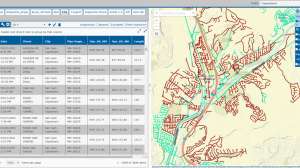
- Map and filter defects by severity, location or priority
- Export reports for compliance, planning and rehabilitation
This is the difference between collecting inspection data and actually using it.
Waiting to modernize has a cost
One of the most common reasons organizations delay inspection workflow improvements is timing.
Budget cycles are complicated. Staff are already busy. A major project is underway. A software transition feels like one more thing to manage. But waiting has a cost.
When inefficient workflows stay in place, crews continue losing time to manual preparation, duplicate entry, file handling, and delayed review. Condition data continues aging before it informs decisions. Maintenance planning continues relying on incomplete or outdated information.
The gap between what an inspection program is doing and what it could be doing does not pause while an organization waits. It widens.
Modernization does not have to mean disrupting the entire department at once. The best approach is often to start with the most painful bottleneck: field prep, syncing, coding, QA/QC or reporting. Once that friction is removed, teams usually see where the next improvement should happen.

How public works leaders can start improving inspection workflows
For departments managing sewer infrastructure with limited staff, the path forward starts with asking practical questions:
- Where are crews spending time before inspections begin?
- How long does it take for completed footage to reach office review?
- How much staff time is spent renaming, transferring or reconciling files?
- Are defect codes consistent across operators and projects?
- Can leadership see inspection progress in real time?
- Can inspection results quickly support maintenance and capital planning?
The answers usually point to the same conclusion: small teams need workflows that remove rework, not systems that create more of it.
By connecting field operations, office review, AI-assisted coding, GIS and asset management, public works teams can increase inspection capacity without simply asking staff to work harder.
That is the real opportunity for lean inspection programs. Not more pressure. More usable time.
Implementing inspection software solutions and/or AI-assisted defect coding, public works departments can modernize sewer inspection workflows, reduce manual bottlenecks, and turn inspection footage into actionable infrastructure intelligence.