The U.S. Environmental Protection Agency recently proposed a partial rollback of Biden-era regulations regarding PFAS in public drinking water. Under the new plan, the EPA would eliminate mandates for four of the six currently covered substances and allow water utilities to apply for case-by-case compliance extensions, potentially pushing their filtration deadline from 2029 to 2031.
EPA Administrator Lee Zeldin and Health and Human Services Secretary Robert F. Kennedy Jr. defended the adjustments as a pragmatic necessity, arguing that strict deadlines are meaningless if communities lack the developing technology required to meet them. Conversely, former EPA officials and environmental critics warn that delaying these protections will needlessly prolong public exposure to dangerous contaminants.
American Water Works Association CEO David LaFrance and Association of Metropolitan Water Agencies CEO Tom Dobbins released a joint statement saying the EPA's new proposals will provide an opportunity for meaningful public input and ultimately lead to more scientifically robust drinking water standards. "Water utilities are actively addressing PFAS in their communities, and successful solutions depend on careful planning, sound engineering, and affordability for each impacted community. Providing adequate time to research options, select the best approach based on local circumstances, and implement necessary infrastructure and equipment upgrades is the right path to long-term success."
Nashville Waste Treatment Facility Leaders Plead Guilty to Federal Charges
Two former leaders of a Nashville waste treatment facility have pleaded guilty to federal charges after admitting to flushing raw grease and waste directly into the city's sewer system. The two confessed to bypassing the facility's required pretreatment protocols and instructing staff to tamper with discharge monitors.
According to federal officials, the illegal dumping severely clogged local water infrastructure and created significant community health risks. Both men now face up to five years in prison and a $250,000 fine when they are sentenced in August.
Divers Clear Debris to Prep for Sewer Line Repairs in New Orleans
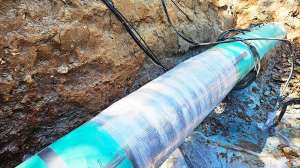
Divers are undertaking the complex task of clearing underwater concrete debris from New Orleans’ Industrial Canal after a boat collision ruptured a major sewer line last month. The April 17 accident triggered a 10-day leak, dumping 50 million gallons of sewage into the waterway before it was finally halted.
Navigating heavy vessel traffic and underwater safety hazards, crews from Loranger-based Specialty Diving are utilizing underwater chainsaws, straps and cranes to safely extract the heavy concrete chunks and clear a path for the pipe's eventual restoration.
Continue reading for free