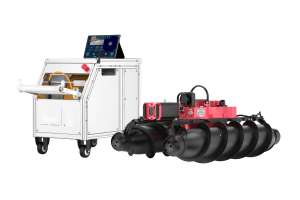
When a city or utility steps into the market for a new pipeline inspection camera, the conversation usually starts with the hardware. How many feet of cable? What kind of lighting? Steerable head or fixed? Pan-and-tilt, side-scan, or panoramic? The questions are familiar, the specs are comparable, and the pricing is generally transparent.
Then the vendor mentions software. Often, it is “included.” Sometimes it is “free for the first year.” Either way, the offer sounds like a bonus on top of an already complicated purchase. For procurement teams under pressure to consolidate vendors, simplify the contract, and get the truck back on the road, accepting bundled software is the path of least resistance.
It is also the decision public works leaders quietly come to regret three, four or five years later. Not because the bundled software stops working, but because by the time it stops fitting, the program is already built around it.
The bundled bonus that becomes the anchor
Inspection cameras have a useful life. So do the trucks they ride in. But inspection data — condition grades, defect coding, video, photos and asset history — have no expiration date. That data is what city engineers use to defend capital plans, what GIS analysts feed into risk models, and what operations supervisors lean on when an SSO investigation lands on their desk at 6 a.m.
A camera is replaced every six to 10 years. The software that holds two decades of inspection records cannot be replaced nearly that often, at least not without significant cost and disruption. That mismatch is the heart of the problem with bundled procurement: the shorter-lived asset, the camera, ends up dictating the choice of the longer-lived one, the software platform that will outlast it.

What “included” actually includes
The first surprise from “included” software tends to arrive at the year-two renewal. The free first-year license rolls into a paid subscription, and the line item that did not exist last fiscal year now needs to fit inside a budget that was set six months ago.
Other surprises follow a familiar pattern, drawn from what agencies report after the honeymoon ends.
The basics are covered, the upgrades are not. Bundled platforms typically handle video capture, footage counting, and standard defect logging. Anything more advanced, GIS integration, AI-assisted defect coding, asset management system connections, or NASSCO-aligned analytics, often arrives as a paid module rather than a base feature.
Pricing transparency is uneven. When software is folded into a hardware quote, the actual cost of the software is rarely broken out. That makes life cycle cost projections difficult and leaves finance directors comparing apples to oranges across vendor proposals.
Training and workflow costs are real. Because the software is engineered to mirror one manufacturer’s camera, changing equipment means changing screens, shortcuts, file structures, and reporting templates. That is not a software upgrade. That is a workflow migration, and crews feel it.
The lock-in that was never on the quote
Beyond cost, there is a structural issue most agencies do not see until they try to leave. Bundled platforms are built around a single manufacturer’s ecosystem, and the inspection data captured on those cameras is stored in formats that travel comfortably inside the ecosystem and uncomfortably, or not at all, outside of it.
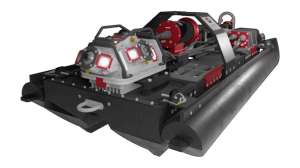
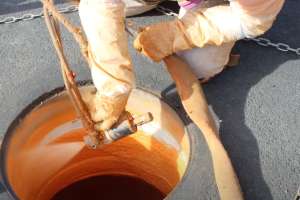
That is fine, until it isn’t. A utility decides to add a manhole scanner from a different manufacturer to inspect vertical assets the original camera cannot reach. A neighboring agency offers a contract to share crews and equipment. A new generation of side-scan technology comes to market. In each case, the agency runs into the same wall: the software does not speak to the new hardware, the historical data does not migrate cleanly, and the path of least resistance is to keep buying from the original vendor whether their hardware remains the best choice. The agency did not choose to be locked in. The procurement decision made the choice on its behalf.
Data is the asset, the camera is just a tool
Public works leaders increasingly treat inspection data the way a finance director treats the general ledger: as a system of record that has to outlast every camera the agency will ever buy. Risk-based capital planning, regulatory reporting under Clean Water Act consent decrees, and GIS-driven prioritization all depend on inspection records that are complete, structured, and accessible.
When that data lives inside a proprietary platform tied to one hardware brand, every one of those workflows becomes fragile. Migrate to a new camera vendor and you risk losing the historical baseline. Stay locked in and you lose the ability to adapt your inspection program to evolving asset conditions and emerging technologies. Inspection software is no longer a supporting utility. It is the foundation of how infrastructure data is stored, shared and acted on, and a foundation that depends on one camera brand is not a foundation at all.
What independent software looks like in practice
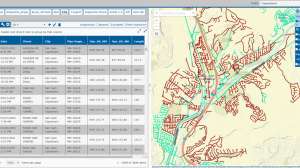
The alternative is software designed to be camera-agnostic from day one. An independent platform like ITpipes supports cameras from every major manufacturer, including IBAK, RapidView, RinnoVision, CUES, Aries, Envirosight and others. Field crews use ITpipes FieldVision in the truck. Office staff and engineers work in ITpipes CoreVision. Data flows between them and out to GIS and asset management systems without the agency having to negotiate file format compatibility with each new hardware purchase.
A few practical things change once software and hardware are decoupled:
Procurement gets simpler, not harder. Agencies select the best camera for each inspection type, mainline, manhole or lateral, and the software absorbs the difference. The next camera purchase becomes a hardware decision, not a software migration.
Integrations actually integrate. Independent platforms are designed to connect with Esri ArcGIS, Trimble CityWorks, OpenGov EAM and other systems agencies already run. Inspection results flow into the maps and work orders staff use every day, instead of being re-keyed.
AI moves with the workflow, not behind it. Tools like ITpipes AiDetect accelerate NASSCO-aligned defect coding regardless of which camera captured the footage. When AI capabilities improve, the entire program benefits at once, not just the trucks running the newest equipment.

5 questions worth asking before the next purchase order
The next time a vendor proposes a bundled hardware and software package, the life cycle implications can be surfaced with a handful of direct questions.
First, who owns the inspection data if the agency leaves the platform, and can it be exported in an open, standards-aligned format without extraction fees?
Second, does the software work with cameras from other manufacturers today, and will it continue to work with new manufacturers that enter the market five years from now?
Third, what is the full five-year cost picture, including licensing, modules, training and the eventual migration that comes with a hardware change?
Fourth, how often is the software updated, is AI-assisted coding included in the base license, and is software development the vendor’s core business or a side product of camera sales?
Fifth, when the hardware changes, what happens to the workflow the crew already knows, and what happens to the historical data the engineers already rely on?
These are not gotcha questions. They are the questions the agency will be asking itself at year three or year five anyway. Asking them at year zero, before the purchase order is signed, costs nothing and protects the next decade of inspection work.
The decision that outlasts the camera
A camera purchased today will be retired before the end of the decade. The inspection program it supports, if it is built well, will still be running, expanding and informing capital decisions long after that camera has been surplused.
That is why the software choice is the more consequential one, even when the hardware sticker price is bigger. Bundled inspection software can be the right answer for a small, simple program with a stable vendor relationship and modest data needs. For everyone else, especially public works teams managing aging networks, tightening budgets, and rising regulatory expectations, an independent platform protects the asset that compounds in value over time … the data.