The Occupational Safety and Health Administration’s mission is to “assure safe and healthful working conditions for working men and women by setting and enforcing standards and by providing training, outreach, education and assistance.” Sounds great, so why are many employers afraid of OSHA one day showing up at their door?
The fear could be the result of having things to hide and knowing a heavy fine awaits them. Another reason could be that they just don’t know what to do if OSHA shows up at their door.
So, is your utility or organization ready? If not, or if you’re not sure, this article is for you.
OSHA cannot employ enough inspectors to cover all the companies that exist in the United States so their inspection criteria is going to be “worst first,” typically companies and organizations that have high danger occupations or that have had multiple violations in the past. Generally, their priority for inspections is imminent danger, fatality or catastrophic incident, complaints and referrals, targeted inspections and follow up inspections. In our industry, employee complaints and referrals from onsite contractors are usually why OSHA shows up.
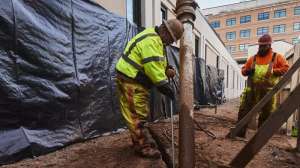
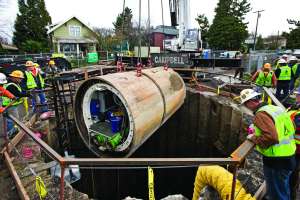
Now the bad news: if OSHA shows up at your door, it will be unannounced. You do have the right to refuse entrance, but more than likely, the officer will come back with a search warrant for your facility. So the best thing to do is cooperate fully throughout the inspection process. This will work in your favor in the long run. Generally, if they do come to your office or job site, it’s for a reason; perhaps because of an employee complaint or because our industry falls into a high hazard category. We do a lot of confined-space entries and dig a lot of trenches, which are considered high hazards.
The first thing the officer will do is hold an opening conference in which they will explain why they are there and what areas they want to inspect. Make sure someone from management is at this conference. Also make sure you see the inspection officer’s identification, which should include a USDOL ID card with a photo and a serial number. At this opening conference, the officer is more than likely going to want to see your injury/illness records, written plans, safety policies, training records, equipment inspection records and other documents that are related to why he or she is there. It is important to keep accurate records and keep them up to date.
During the opening conference the officer will explain the scope of their inspection. Ensure that you stick to just those areas. Do not volunteer to give a plant tour regardless of how safe you think the plant may be. The inspector is obligated to cite you for any violations that are in “plain view.” Make sure your employees know not to lie to the compliance officers even if it’s an effort to protect the company. This could result in stiffer penalties and even civil penalties for you as the employer.
When the inspection begins, you have the right and should follow the officer as they inspect your workplace or job site. Be cooperative and friendly. They have a tough job and being uncooperative only makes it harder and more likely that they will find reasons to cite you.
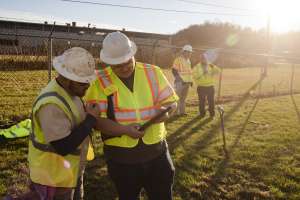
During the inspection, the officer may interview employees, take photos, instrument readings and take notes. As they are taking pictures you should also so that you have documentation of the violations as well. If they find violations the officer will point them out. Feel free to ask how you should correct the violations and if you can correct the violation immediately do so. Usually, the inspecting officer will give you some direction on correcting the hazard. This kind of good-faith effort will go a long way with the inspecting officer. Do not attempt to argue your point; this is not the time.
When the inspection is done, the officer will hold a closing conference and will discuss the problems the officer found and give you the opportunity to ask questions. They will also tell you what citations they are recommending and the timeframes under which you must correct the noted problems. The actual citations or fines will come from the area director, not the officer. Some factors that will affect the amount of the fines will include the nature of the violation, your history of violations (if they have been there before), your good-faith efforts to correct the violations and the size of your operation. If you want to reduce the fines it is important to contest the fines within the 15 business days of receiving the official paperwork in the mail.
In closing, an OSHA visit doesn’t have to be as bad as it’s made out to be. In fact, it could be a good thing if violations are corrected thereby eliminating hazards that could result in a serious injury or even a death. OSHA inspection officers will work with you if you show good faith in correcting violations. They are simply trying to ensure we have safe workplaces for our employees.
Continue reading for free