If you ask employees if safety training is important, you’ll probably get different answers depending on that employee’s mindset about workplace safety.
For many it is considered a waste of valuable time. Time better spent getting the job done instead of sitting in a classroom. For others, safety training is important for maintaining licenses and, in some work atmospheres, vital for promotions and raises. Still, for some it is a valuable part of working safely on the job and even off the job. So, which is it for you? Is safety training really all that important?
For many safety professionals, safety training is not only a great tool for relaying valuable information, it is also an enjoyable part of their profession. The opportunity to interact with employees, share stories, ask questions and allow employees to ask questions makes safety training vital as well as rewarding. If safety training is adhered to by the audience, then those employees are given the tools to work safely every day and that is a benefit we can all enjoy and be proud of.
One of the unseen values in safety training is the investment in the training itself. Research shows that for every $1 spent on safety training there is a $4 to $6 return on investment. The following list is key to that investment return.
Benefits of training
- Reduced Incidents and Injuries: Training equips workers to recognize hazards and take preventive measures, significantly reducing workplace incidents, illnesses and injuries.
- Significant Cost Saving: By preventing incidents, companies reduce expenses related to medical claims, workers’ compensation, insurance premiums and temporary staff replacements.
- Increased Productivity: Fewer injuries mean less downtime and disruptions, leading to smoother operations and increased employee efficiency.
- Legal and Regulatory Compliance: Proper training ensures compliance with safety regulations like OSHA, helping employers avoid hefty fines and legal liability.
- Improved Employee Morale: A strong safety culture shows employees they are valued, leading to higher engagement and better employee retention.
- Positive Reputation: Companies known for prioritizing safety are seen as responsible employers, which aids in attracting top talent.

One of the reasons safety training is necessary and required is that OSHA requires training for certain types of tasks and jobs, so conducting training keeps organizations in compliance with regulations. One of the first things an OSHA inspector will ask for during an inspection is your training records. If they are conducting an inspection after an incident, having correctly documented safety training records can be a real advantage. The OSHA inspector is going to want to see if employees are trained properly, if the employees were able to understand the training and whether they were given the tools necessary to work safely. So, having safety training is important, and having proper documentation is equally important in case there is an incident that requires an OSHA inspection.
Good safety training will reduce injuries and incidents. Properly trained employees will have the knowledge to avoid being involved in incidents thereby reducing your workers compensation and other injury-related costs. Production will also benefit, with employees on the job producing instead of sitting at home recovering from injuries.
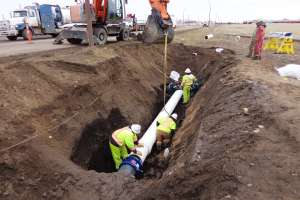
You should also consider that many of our industry’s job sites are in neighborhoods and other public locations. When the community sees employees working safely it stands out. It’s good for your reputation and it speaks volumes about how your organization takes care of employees.
Safety training has many benefits, the most important of which is that employees have the knowledge and skill to work safely and go home every night. And that is priceless.
Continue reading for free