Corrosion-resistant manholes strengthen sewer infrastructure
Problem: In northwest Florida, a coastal region with a high water table, a local utility faced persistent corrosion and groundwater infiltration in its sewer infrastructure. Traditional concrete manholes struggled to withstand hydrogen sulfide, aggressive soil conditions and decades of heavy traffic, resulting in frequent repairs and costly maintenance. As residential subdivision developments rapidly expanded in the area, the utility needed a durable, long-term solution that could meet tight project timelines without sacrificing performance.
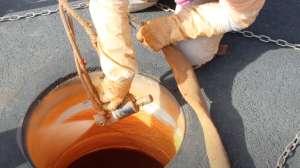
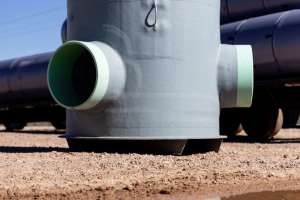
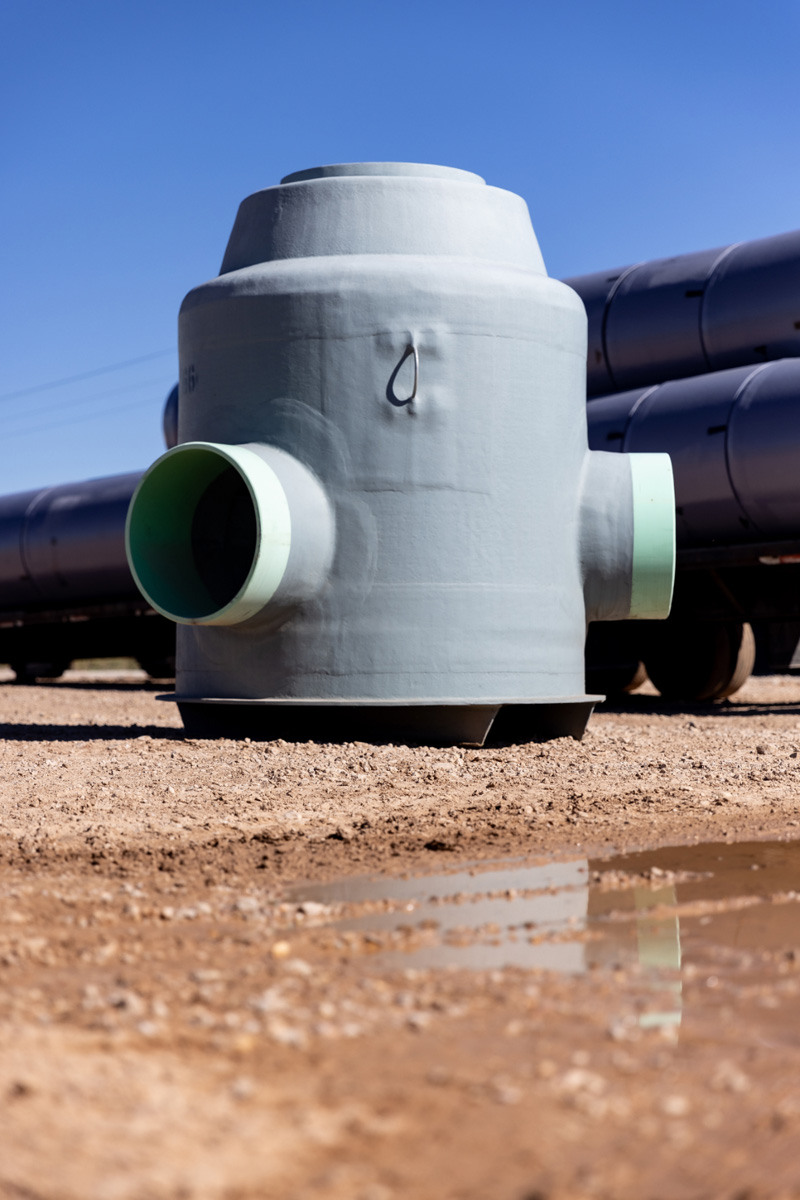
Solution: Over the past few years, NOV Fiber Glass Systems’ Water, Environmental, and Flow Solutions group has supplied more than 150 one-piece, closed-bottom fiberglass-reinforced plastic composite manholes to the utility. These lightweight manholes were delivered on time and built to endure both aggressive sewer environments and traffic-rated loads, while enabling safe, efficient installation across multiple residential subdivisions. They are corrosion-resistant, leakproof and engineered for maintenance-free performance over a multidecade life cycle. Their seamless, monolithic design eliminates concerns about inflow and infiltration as well as reduces treatment costs and chemical usage.
Result: After testing competitor manholes, the utility rejected them due to fit, finish and overall quality. Based on proven field performance, consistent on-time delivery and product reliability, the utility named NOV as its sole supplier of fiberglass manholes. 979-542-8027; www.nov.com
Comprehensive manhole rehab reduces I&I in small municipal system
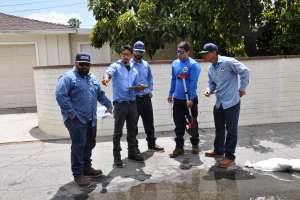
Problem: The city of Wheatland, Missouri, was experiencing severe inflow and infiltration that caused lagoon level fluctuations during heavy rainfall events and placed additional strain on wastewater treatment operations. Aging concrete and brick manholes throughout the system were allowing groundwater intrusion, accelerating structural deterioration and increasing operational costs. With limited municipal resources, full system replacement was not feasible. When ARPA funding became available, the city sought a high-performance rehabilitation solution capable of delivering measurable I&I reduction and long-term structural protection.
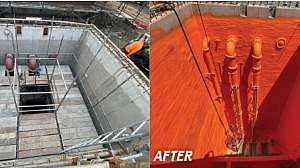
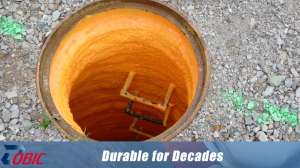
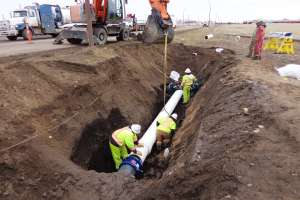
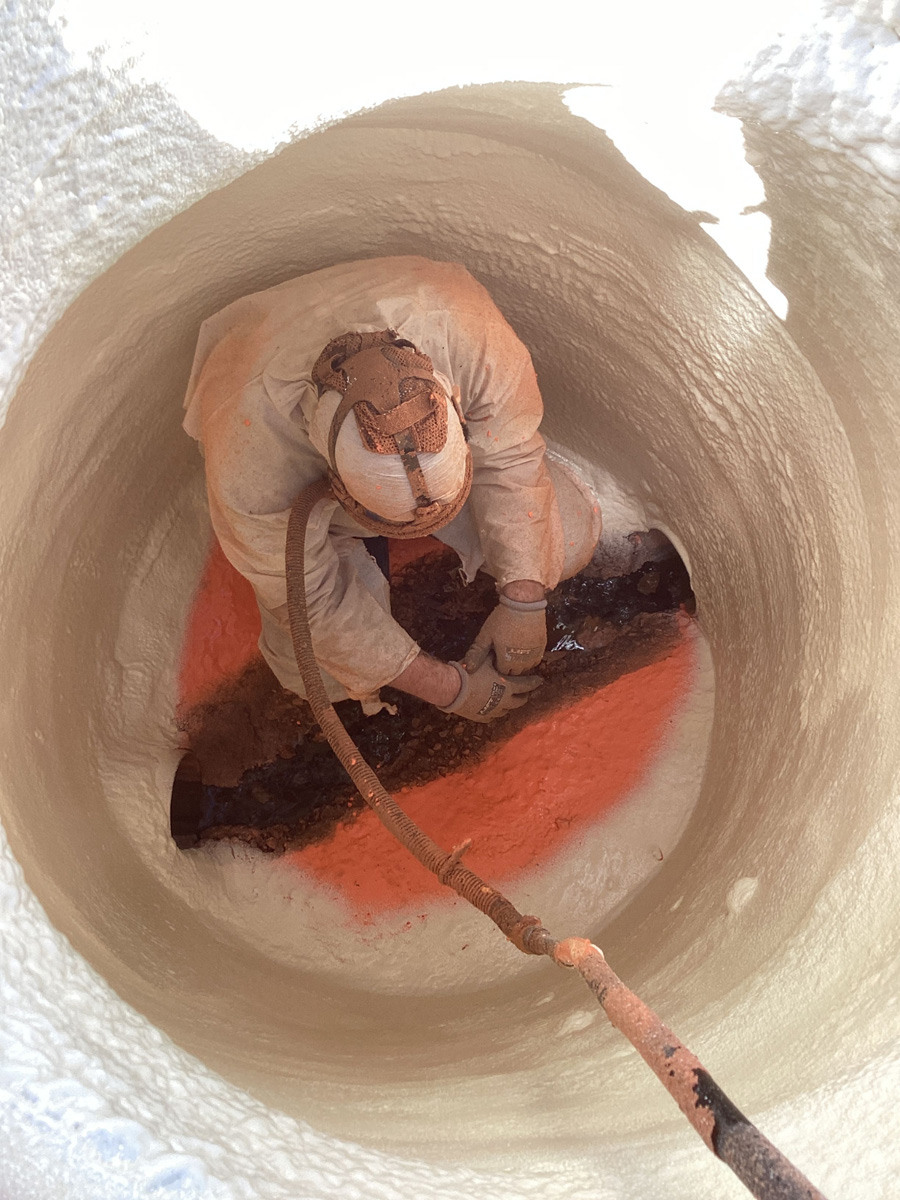
Solution: The city partnered with Midwest Infrastructure Coatings to implement the OBIC Armor Multi-Layer System. Over a four-month period, MIC rehabilitated 260 manholes (all but two in the system) and lined approximately 1,100 vertical feet of manhole surface. The multilayer system consisted of a polyurea base layer for moisture sealing and adhesion, a structural polyurethane foam layer for added strength and a seamless corrosion-resistant polyurea topcoat.
Result: Post-installation, city officials reported significant reductions in lagoon fluctuation during wet weather events, indicating substantial I&I mitigation. The rehabilitation restored structural integrity, reduced infiltration pathways, minimized treatment stress and extended the service life of critical wastewater infrastructure without full replacement.
866-636-4854; www.obicproducts.com
Continue reading for free