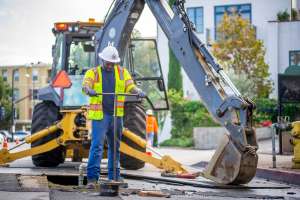
The 811 system when originally set up was a great system that allowed companies that needed to dig a safe way of marking underground utilities to avoid expensive repairs, injuries and even deaths. The 811 system was made free to companies needing to excavate so that the utility lines could be properly located and safely dug.
Infrastructure growth over the past 50-plus years has been so significant that the 811 system has become grossly overworked and in some cases, you can argue, outdated.
The National Utility Locating Contractors Association recently published a white paper entitled This System is Designed to Fail. We’re Done Pretending Otherwise. The paper highlights how issues such as unmapped or poorly mapped facilities, excessive one-call tickets, surging infrastructure projects and outdated one-call architecture have created an unsustainable situation for locating and safely excavating around buried utilities.
“Last year, the system processed more than 43.5 million incoming requests, generating nearly 265 million transmissions to facility operators,” the paper states. “The architecture has not changed. In one documented dataset, a single excavator submitted a ticket covering 464 million square feet, over 8,000 football fields, with a legal response window of two business days. That is not a ticket. That is an ambush. And the locating company received it the same way they receive every ticket: when it appeared in their queue.”
After reading through this white paper, which I greatly encourage you to do, it is obvious to me that calling 811 is still a must, but as an industry we must not rely strictly on 811 to properly mark utility lines and then start digging. We must do our part as well to make sure our employees are working safely and digging in a way that avoids disaster like hitting a gas or electrical line.
In response to this white paper, Sarah Magruder Lyle, president and CEO of Common Ground Alliance and executive director of the Damage Prevention Action Center stated:
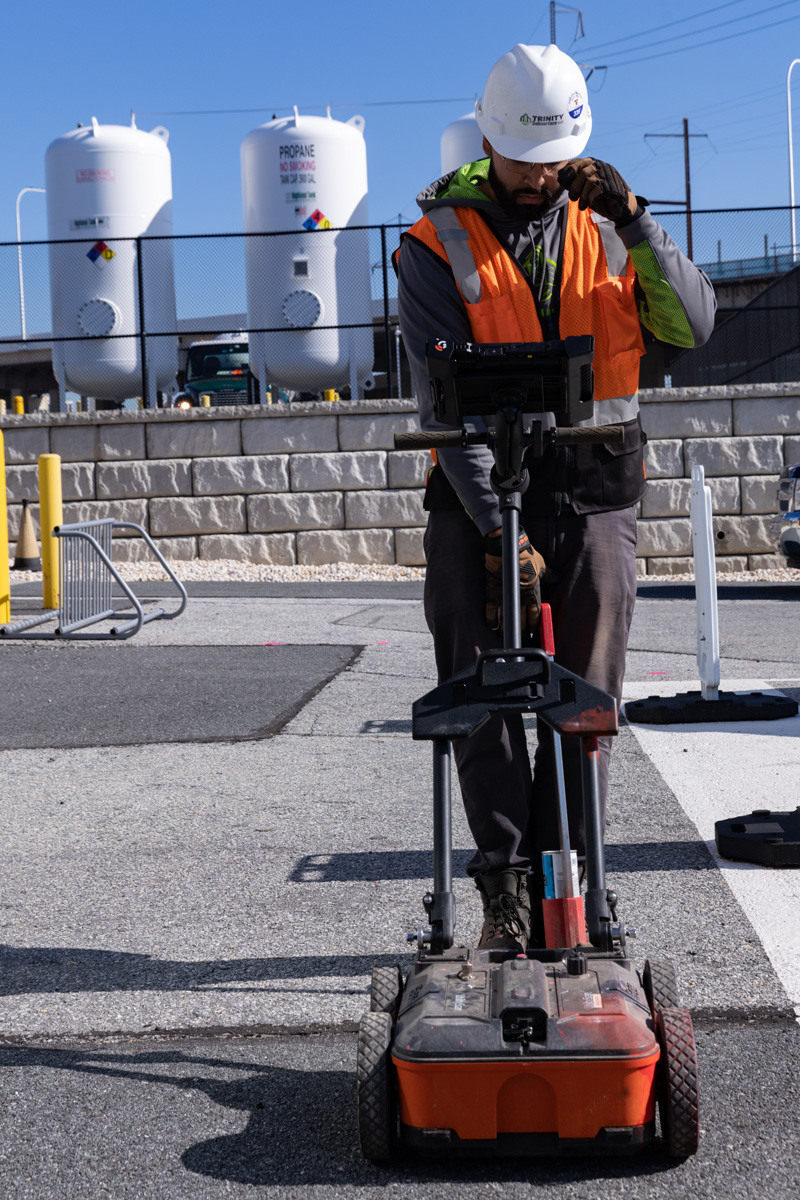
“NULCA’s new paper underscores the urgent need for all stakeholders — facility owners, excavators, locators and policymakers — to embrace their shared accountability to protect vital underground infrastructure. The Common Ground Alliance and the Damage Prevention Action Center are committed to facilitating the collaboration necessary to address systemic challenges, improve the efficiency and effectiveness of the 811 system, and achieve our collective goal of significant damage reduction. This, however, requires all stakeholders to commit to addressing these issues.”
Each year there are nearly 200,000 instances of buried utility line damage from digging, at an annual cost of $30 billion nationwide. More than 30 million miles of buried power, water, electric, fiber, natural gas and other utilities run underground across America. This buried infrastructure is at risk from multiple systemic challenges including inadequate facility mapping, contracts that are not performance based, a surge in data center and other infrastructure construction, and insufficient workforce to accurately locate buried utilities. Consequences of damage to these utilities range from disruption of critical services to injuries and fatalities.
The paper lists what they believe to be the proper steps to bring about change. These long-term steps are not an overnight fix, however, and in the meantime we are still digging in soils that may or may not be marked correctly. I am the safety director for a water/sewer utility, and from what I have seen this is a problem we all face from time to time.
In the meantime, what should our employees be doing to ensure their own safety?
- Wait the Required Time: Do not start excavation until the required waiting period (usually two to three business days) has passed, allowing utility owners to mark their lines. This is standard, but as highlighted above, the wait could be more than two to three days, so expect delays at times.
- Verify Markings: Confirm that all notified utilities have responded and that marks (flags, paint or stakes) are present.
- Understand Color Codes: Ensure employees understand the APWA color codes for different types of underground lines.
- Mark White Lining: Premark the proposed excavation area with white paint or flags, especially for large projects, to guide locators.
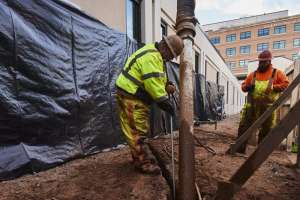
- Respect the Tolerance Zone: When digging, maintain a “tolerance zone” surrounding the utility mark (usually 18-30 inches on either side). Use hand tools, vacuum excavation or soft digging techniques within this zone.
- Respect and Maintain Marks: Keep stakes and flags in place until the project is finished, and do not remove or destroy them.
- Dig Slowly: Don’t be in a rush to dig, even hand-dig with a shovel if necessary to get started if you suspect the lines are closer to the surface.
- Stop Work Immediately: If a line is damaged, or if an unmarked line is uncovered, stop working immediately and call 811, the utility operator, or 911 if it is a gas or electric line.
- Emergency Procedures:
- Electric line: Keep equipment and personnel far away; treat all lines as energized.
- Gas line: Stop all work, turn off machinery, evacuate the area immediately and report the leak.
Getting home safely is the end goal for all employees. Work smart when it comes to excavations that involve other underground utilities.
Continue reading for free