Upgrading and maintaining critical infrastructure is one of the toughest challenges facing government agencies, and often, the biggest obstacle is the procurement process. Whether your utility is acquiring new software or heavy machinery, a solid understanding of the procurement landscape is necessary to ensure a smooth path toward a successful upgrade or maintenance plan.
Common procurement challenges
The traditional government procurement process, while designed for fairness and transparency, can inadvertently create significant hurdles, including internal bottlenecks. Your request for a new technology or piece of equipment may require you to navigate a complex web of departmental approvals, from engineering and operations to finance and legal. Each layer of review adds time and the potential for delays, sometimes stalling a critical project before it even begins.
The request for proposal (RFP) process, a cornerstone of public procurement, is notoriously lengthy. Crafting a detailed RFP, advertising it, allowing time for vendor responses, evaluating submissions and negotiating a contract can easily stretch over months. This extended timeline can be a major disadvantage when dealing with aging infrastructure that requires timely intervention.
A culture of risk aversion can also permeate public entities. Sticking with legacy systems and established (but outdated) methods can feel safer than adopting new technologies. This hesitancy sometimes prevents departments from benefiting from innovative solutions that could offer greater efficiency, better data and long-term cost savings.
Compounding the above issues is a frequent lack of funding or, in some cases, a lack of awareness of the various funding opportunities available. And that can lead to a cycle of deferring necessary upgrades, which only increases the risk of failures and higher costs down the road.
Cooperative purchasing agreements
Government entities and public sector organizations often have small procurement teams of only a few people (or even just one person). And those people likely have other responsibilities, too. In situations like that, the process of creating and managing bids or RFPs, ensuring transparency and securing approvals can add to the time it takes to complete the process.
To overcome these challenges, more agencies are turning to cooperative purchasing agreements. But not everyone understands what this approach involves. A cooperative purchasing organization is a government entity that establishes competitively bid contracts that can be used by other public agencies. Essentially, they do the heavy lifting of the RFP process, saving individual municipalities significant time and resources. By using these pre-established contracts, agencies can benefit from vetted suppliers and competitive pricing without repeating the entire procurement process themselves.
Prominent examples include Sourcewell, H-GAC and the Texas BuyBoard. These organizations vet vendors and negotiate contracts for a wide array of goods and services. For a municipal water department, this could mean accessing pre-negotiated contracts for anything from CCTV inspection software to pipe lining materials.
The benefits of this approach are threefold. First on the list is speed. Rather than spending a matter of months digging into an RFP process, a department can often procure a solution in a matter of weeks. Second, the vendors available through these cooperatives have already been thoroughly vetted, ensuring they meet stringent government procurement standards. And finally, by aggregating the purchasing power of thousands of government entities, these cooperatives can negotiate volume discounts, resulting in significant cost savings.
Alternative procurement paths
There are other procurement strategies aside from cooperative purchasing that may help give your organization better flexibility and more efficiency. For example, “piggybacking” is a procurement strategy where one agency leverages an existing contract that another agency has already painstakingly solicited and awarded.
Let’s say a local county government issues an RFP and awards a contract to a company for pipe management software. Later, a neighboring county decides to piggyback on that county’s contract to strike a deal for its own software under the same terms and pricing. It bypasses the need to start from scratch, saving time and money.
In other specific situations, it’s possible for a government entity to use a sole-source justification, where an agency awards a contract without the competitive process because there’s only one known source to provide the equipment or services they seek. Although this path does require documentation to justify the lack of a competitive RFP process, it can be both a legitimate and very efficient way to procure highly specialized solutions.
For newer or more complex technologies, government entities can use pilot programs to evaluate vendor performance in real-world conditions. In essence, it allows your organization to test a solution on a smaller scale before committing to a full rollout. Similarly, a phased-implementation model is a strategy to break a large project into more manageable stages, allowing for adjustments along the way.
Finding and securing funding
Your procurement efforts won’t get very far without sufficient funding, of course. Fortunately, a variety of federal and state programs are available to support water and sewer projects. The Drinking Water and Clean Water State Revolving Funds, administered by the U.S. Environmental Protection Agency along with individual states, are a primary source of low-interest loans for water quality and drinking water infrastructure projects. Use the links above to learn how the programs work, who’s eligible and how to apply. Be sure to also check out the EPA’s State Revolving Fund Public Portal and Clean Water State Revolving Fund Webinar Series, which features professionals sharing their expertise on topics related to the fund.
Other significant federal sources of funding include the Federal Emergency Management Agency, which provides grants for hazard mitigation and disaster recovery, and the United States Department of Agriculture, which offers funding for water/wastewater projects in rural communities. Exploring these and other opportunities, including state-specific grants, should be a standard part of the project planning process.
Public-private partnerships (P3s) and state infrastructure banks represent another avenue for financing major projects. A P3 is a collaborative effort between a government agency and a private-sector company to finance, build, operate or maintain public infrastructure or services. Meanwhile, a state infrastructure bank is a state-operated financing entity that may offer low-interest loans to help fund projects, including, in some cases, water/wastewater projects.
Making the case internally
Securing approval to pursue a procurement effort is about more than identifying a need. You also need to create a compelling business case to sell the idea internally. Developing a return on investment model is a powerful tool for accomplishing that task. Aside from putting the financial benefits in real terms like cost savings or revenue generation compared against the required investment, an ROI also can quantify efficiency or compliance gains. The ROI model can summarize benefits like time saved via systematic processes, reduced risks thanks to proactive maintenance or improved compliance with regulatory standards. An ROI makes it easier to get leadership buy-in, as it simplifies decision-making by clearly measuring value, demonstrating fiscal responsibility and aligning the project with your agency’s goals.
Framing projects around public safety and environmental compliance is another way to achieve leadership buy-in. Highlighting how a new solution will prevent sewer overflows, ensure drinking water quality or meet new regulations can help create a sense of urgency. To strengthen your case, seek out success stories or data points from your chosen vendor’s existing clients. Demonstrating in real-world terms how a similar government agency has successfully traveled the same road can be highly persuasive.
Partnering with the right vendor
You made a strong case to leadership outlining the benefits of the project, so you want to be certain you can back up your claims. Choosing the right vendor to partner with is one of the most important aspects of the procurement process. A truly supportive vendor ensures your agency gets not only the product or service, but also the expertise, reliability and long-term assistance required for a successful project. In short, you want a company that understands public procurement.
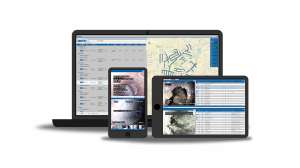
Strong vendor support from a company like ITpipes — a leading provider of pipe inspection management software — includes things like project planning, ongoing training, compliance documentation, customer service and technical support. This is what sets a project apart. This type of support reduces risk, speeds up implementation and drastically improves project outcomes.