Software platform enables municipality to streamline operations
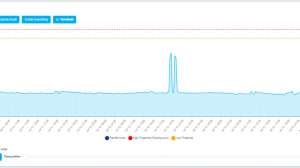
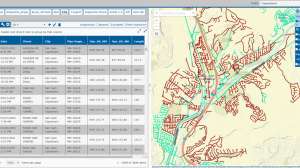
Problem: Tuscaloosa, Alabama, manages 507 miles of sanitary sewer and 252 miles of storm drains. The city faced serious operational challenges during major events such as football games, which temporarily swell the population by over 150,000. A reactive maintenance strategy and fragmented data across outdated CCTV software and siloed platforms made it difficult to prioritize work or respond efficiently.
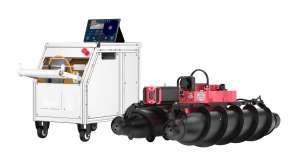
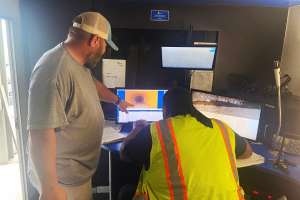
Solution: To modernize its system, Tuscaloosa implemented ITpipes as the central platform for sewer inspection and data management. SmartVision enabled bidirectional integration with existing systems, allowing supervisors to issue inspection work orders that sync automatically with field crews. Crews received fully populated assignments, and completed inspections were uploaded daily, giving the entire organization immediate access to accurate, centralized data.
Result: In just three years, Tuscaloosa reduced sanitary sewer overflows by over 50% — from 102 to 48 per year. With reliable inspection data, the city began executing annual CIPP lining projects, already rehabilitating more than 15 miles of sewer. Costs were reduced, service disruptions minimized and future rehab work could be budgeted and prioritized with confidence. ITpipes helped Tuscaloosa shift from fragmented operations to a streamlined, proactive system — delivering measurable improvements in performance and public service. 505-355-6829; www.itpipes.com
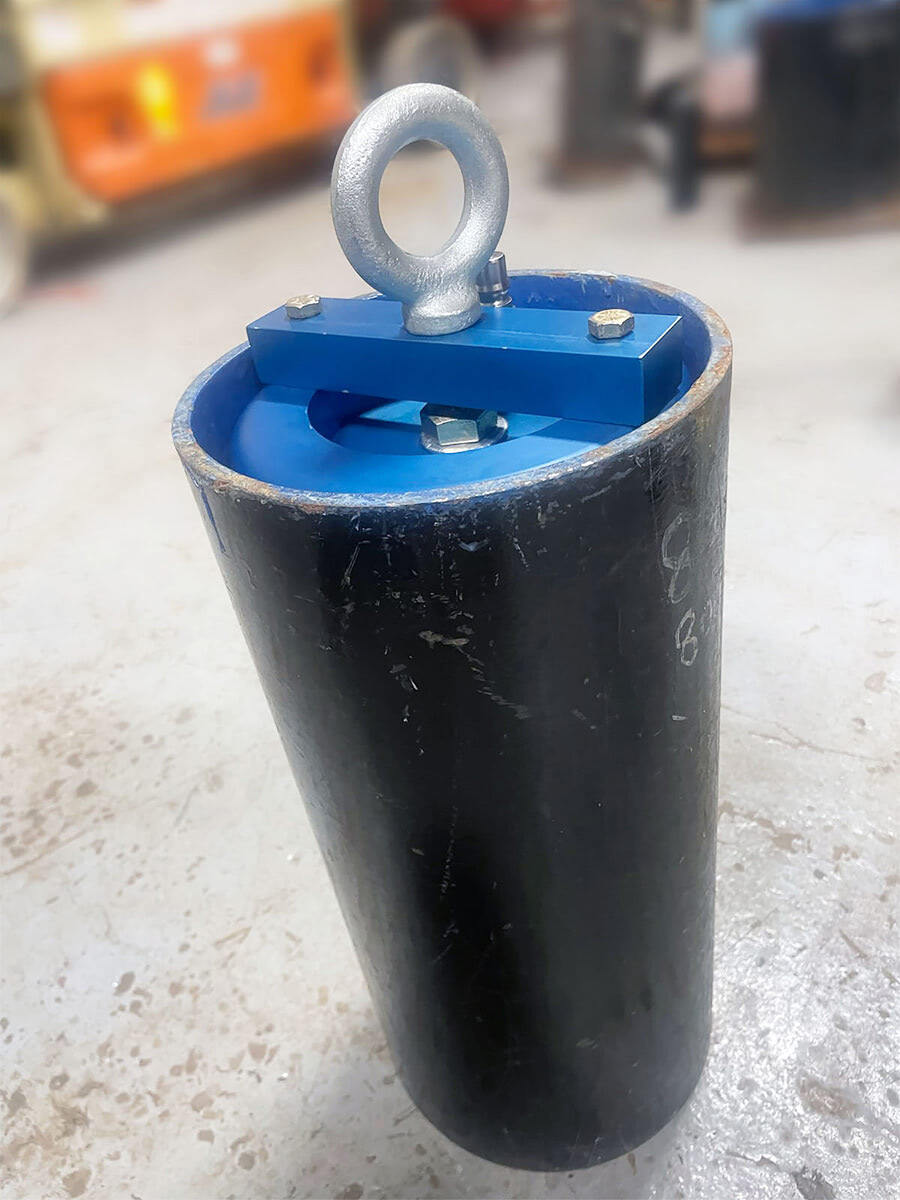
Pneumatic pipe plug enables leak detection in newly installed pipeline
Problem: A contractor on the East Coast needed to locate a leak in a newly installed pipeline more than 1,000 meters long. The pipe — installed with bends and turns beneath a riverbed — was designed to house a 125 kV electrical line measuring 7 inches in diameter and requiring an extremely tight seal (70-micron vacuum). Identifying the leak location inside this long irregular pathway was a significant challenge.
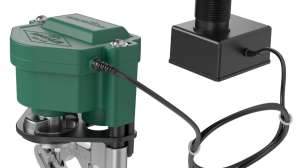
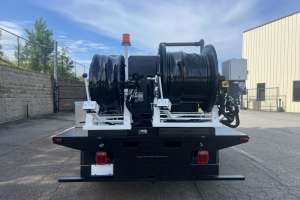
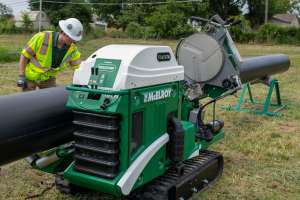
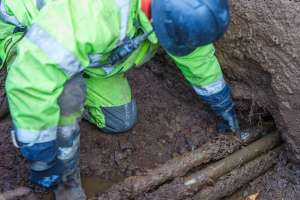
Solution: The contractor contacted Petersen Products’ engineering team to design a pneumatic blocking pig capable of traveling through the pipe and deploying remotely. Once actuated with air, the pig would seal against the pipe wall, allowing technicians to determine the leak location. The pig needed to withstand pressures up to 500 psi and travel through an 8-inch IPS Schedule 20 pipe. Certain sections of the pipeline had nonstandard wall thickness and slight ovality due to bends, requiring a design that would not skew or bind during travel. The pig also required 5,000-pound-rated eyebolts on both ends for pulling, a maximum diameter of 7.55 inches and a maximum length of 10.5 inches. Engineers developed a plug featuring a robust gripper system to anchor securely to pipe walls and a nitrile rubber seal capable of holding pressures up to 500 psi.
Result: The contractor was extremely satisfied with the performance of the plug, particularly its ease of retraction. With the leak identified, installation of the electrical line is now able to proceed without delay. 800-827-5275; www.petersenproducts.com
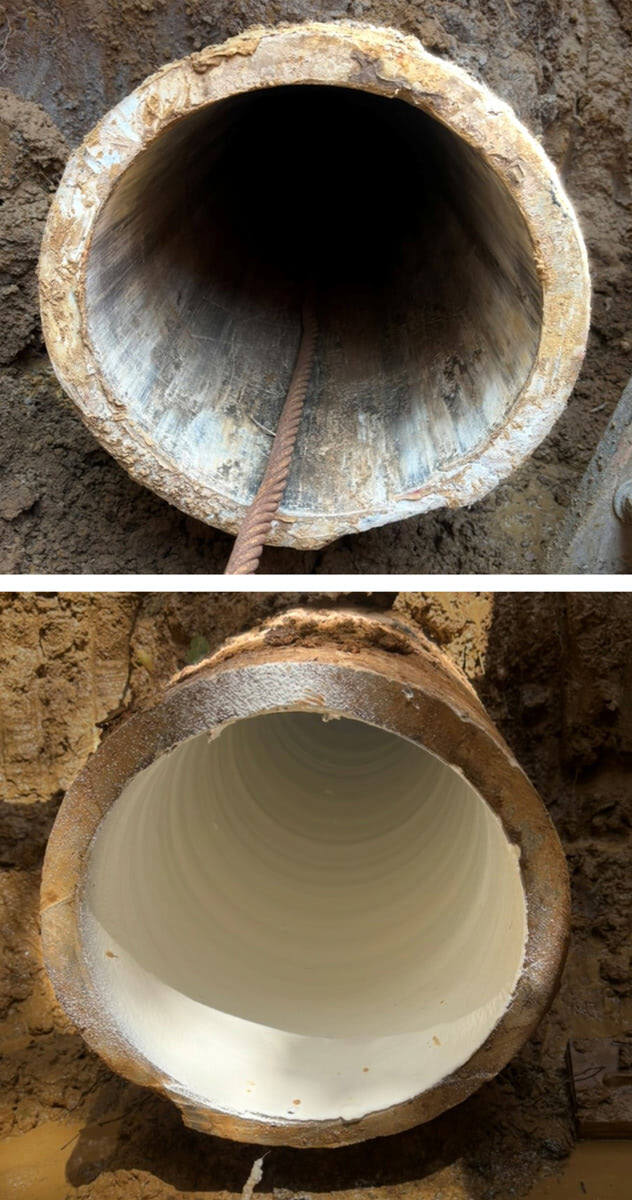
Extending the life of asbestos cement water mains
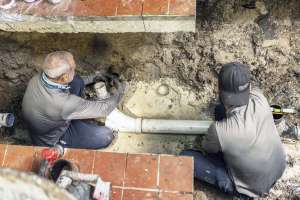
Problem: Many communities, including the city of Corinth, Texas, are grappling with aging water infrastructure — particularly asbestos cement pipe installed during the mid-to-late 20th century. Decisions around replacing or rehabilitating these assets raise difficult questions about cost, safety and service disruption. With 6.6 miles of 12-inch AC water mains nearing the end of their service life, Corinth needed a practical, safe and affordable solution to protect system reliability without creating major disturbances for its residents.
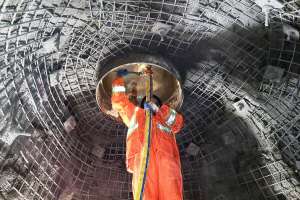
Solution: The city opted to pilot USG Water Solutions’ spray-in-place pipe rehabilitation technology. SIPP applies a durable epoxy lining to the interior of existing mains, restoring structural integrity while extending service life without removing or disturbing the asbestos pipe.
Result: Two demonstration runs of 800-1,000 feet each validated SIPP as a safe and cost-effective method that restored the AC mains without exposing crews or the community to asbestos, reduced overall project costs compared to replacement, and minimized service disruptions. Results positioned Corinth to move forward with a staged plan to rehabilitate the remaining 6.6 miles of AC mains using SIPP. 855-526-4413; www.usgwater.com
Continue reading for free