Growth can be a welcome sign of a thriving community, but for municipal utilities, every new subdivision, commercial development and utility extension brings additional infrastructure to inspect, maintain and protect.
That reality is especially evident in Wentzville, Missouri, where rapid residential growth has steadily expanded the demands placed on the city’s wastewater collection system. Serving approximately 49,000 residents across 22 square miles, the city of Wentzville maintains roughly 247 miles of sanitary sewer, nearly 8,000 manholes and 45 lift stations with a nine-person collections team.
Rather than simply reacting as the system grows, Wastewater Collection Supervisor John Leezy and his team have focused on staying ahead of the curve. Whether adopting new inspection technologies, improving field data collection, proactively addressing odor concerns or investing in team development, the department’s philosophy centers on finding practical ways to work smarter while continuing to deliver a high level of service to residents.
“The city isn’t going to slow down in growth,” Leezy says. “We have to be more efficient with what we do. That’s why we continue looking for technologies that help us work smarter and provide a high level of service to our residents.”
That philosophy has shaped nearly every operational decision the department has made in recent years. From adopting acoustic sewer inspection technology and GIS-based field documentation to proactively addressing odor concerns and investing in crew development, each initiative is intended to help the department accomplish more while maintaining the level of service residents expect.
Proactive maintenance

As Wentzville’s collection system continues to expand, Leezy recognizes that maintaining the same inspection cycle simply isn’t enough. More pipe, more manholes and more lift stations require the department to find ways to increase efficiency without increasing staff.
When Leezy joined the department four years ago, the city’s collection system had been divided into six inspection zones. At that pace, some sewer mains and manholes would not be revisited for approximately six years before receiving another comprehensive inspection. While the program provided systematic coverage, Leezy believed the department could shorten that cycle by working more efficiently rather than simply working harder.
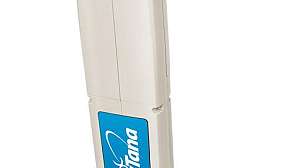
One of the department’s most significant investments toward that goal has been the adoption of the InfoSense SL-RAT (Sewer Line Rapid Assessment Tool), an acoustic inspection system that rapidly screens gravity sewer mains for potential blockages before crews deploy CCTV inspection or cleaning equipment. Rather than replacing traditional inspection methods, Leezy views the technology as a way to prioritize resources where they can have the greatest impact.
The department has incorporated the SL-RAT into its routine field operations in a way that maximizes productivity. While one crew member operates the acoustic assessment equipment, another simultaneously performs manhole inspections, allowing two preventive maintenance activities to occur during the same site visit.
The early results have exceeded expectations. “We just got it a few months ago, and it’s a game changer,” Leezy relates. “I knew it would be helpful, but I didn’t know how successful it would be.”
Crews are commonly screening between 3,000 and 5,000 feet of sewer main before lunch, giving the department confidence that it can reduce inspection intervals as additional equipment is brought online. Administration has already supported purchase of a second utility vehicle dedicated to the program, allowing multiple crews to work independently and potentially reduce the inspection program from six zones to four or even three.

For Leezy, the objective isn’t simply inspecting more pipe. It’s identifying potential issues earlier so crews can respond before residents ever experience a problem.
Data into action
Collecting more information is only valuable if crews can quickly put it to use. As Wentzville expanded its inspection program, the city also modernized how field data is captured, organized and shared across the department.
Several years ago, GIS support was provided centrally through City Hall. Today, the utilities department has dedicated GIS professionals who work directly with water and wastewater operations, giving field crews access to continually evolving mapping and asset information while providing supervisors with a much clearer picture of system conditions.
Every member of Leezy’s collection crew carries an iPad in the field, allowing data to be entered directly into GIS as work is completed. “Whether we’re inspecting manholes, cleaning sewer lines or using the SL-RAT, the information is entered into GIS and stored in a central database. “From my desktop, I can see all of the work that’s been completed, track our progress and know exactly what’s getting done,” Leezy says.
While many municipalities rely on comprehensive computerized maintenance management systems to generate work orders and preventive maintenance schedules, Wentzville has developed an operational approach tailored to the department’s size and priorities. Known trouble spots are inspected on established schedules, routine maintenance is organized around geographic inspection zones and field observations continually inform future work planning. The GIS platform provides the operational visibility needed to support that proactive approach while preserving the flexibility to respond quickly as system needs evolve.
For Leezy, technology isn’t replacing experience. Instead, it gives his team better information, allowing them to make more informed decisions and identify potential issues before they become customer problems.

Tools to succeed
Maintaining a growing wastewater collection system requires more than skilled operators. It also depends on having the equipment and organizational support needed to respond when challenges arise.
Leezy credits Wentzville’s leadership with recognizing that investment in infrastructure also means investing in the people responsible for maintaining it. Rather than viewing equipment purchases as isolated budget requests, city management works with the department to understand operational needs and prioritize improvements whenever possible.
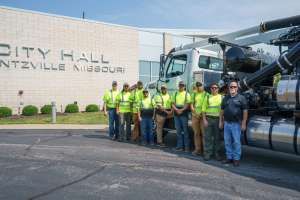
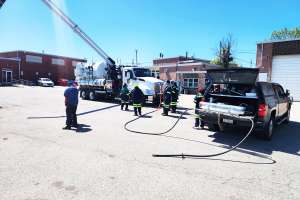
That collaborative approach was evident when the department began experiencing increasing reliability issues with its aging combination sewer cleaner. Although replacement had been planned for a future budget cycle, city leadership recognized the operational impact and worked with the department to accelerate funding for a new Vactor 2100 combination sewer cleaner.
“They understand what we’re trying to accomplish,” Leezy relates. “If we can explain why we need something and how it’s going to help us do our job better, they listen. They really do work with us.”
Today, the department performs routine sewer cleaning with the Vactor unit while conducting CCTV inspections in-house using its CUES inspection system. Larger rehabilitation projects, including annual cured-in-place pipe lining, continue to be completed through specialized contractors, allowing city crews to focus on preventive maintenance and day-to-day system operations.
For Leezy, the equipment itself is only part of the story. “It’s not just about buying new equipment,” he says. “It’s about having the support to keep improving and finding better ways to serve the community.”
Odor challenges

Every collection system has its persistent challenges. For Wentzville, one of those involved recurring hydrogen sulfide odors associated with a five-mile force main and several air release valve locations.
Rather than treating the concerns as simply part of operating a growing collection system, Leezy wanted to find a practical, long-term solution that addressed the source of the problem while minimizing ongoing maintenance requirements.
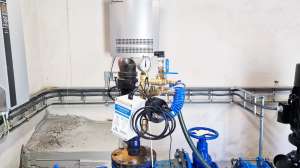
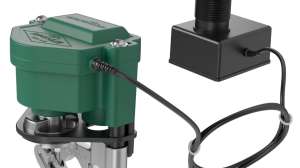
As the department evaluated available options, Leezy came across Judd Odor Solutions through LinkedIn. After researching their ARV Guardian Air Release Valve Attachment, the city elected to purchase a single unit and install it at one of its most problematic air release valves. Working with Judd’s technical team on installation best practices, the department completed the pilot installation and monitored the results.
“We purchased one unit and installed it,” Leezy says. “It worked. We didn’t smell anything. So I purchased four more. We installed two on that same force main, one at another problem location and kept one as a spare. I drive that road every day now, and I don’t smell anything.”
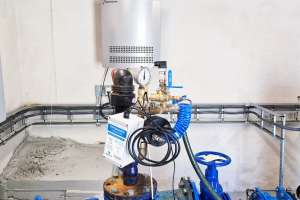
Designed specifically for sewer force mains, the ARV Guardian mounts directly to an air release valve and uses carbon media to capture hydrogen sulfide as gases are vented from the system. The passive approach appealed to the department because it addressed odor at the point of release without requiring continuous chemical addition or ongoing feed system maintenance.
“We haven’t had odor concerns since,” Leezy says. “That’s been huge.” He also appreciated that the system fit the department’s overall maintenance philosophy. Instead of introducing chemicals into the wastewater stream, the city was able to target the problem where it occurred while avoiding potential downstream impacts to the wastewater treatment process.
“We didn’t really want to add chemicals to the system if we didn’t have to,” he says. “This gave us another option that solved the problem.”
The project reinforced the department’s broader approach to operations: Identify a problem, evaluate practical solutions and invest in technologies that deliver measurable results without creating unnecessary complexity.
Relationships matter
While technology plays an important role in Wentzville’s collection system, Leezy believes some of the department’s greatest successes have come through relationships.
One example involved a long-standing access dispute that had prevented the city from addressing a suspected problem on a sanitary sewer crossing private property. For years, the landowner had refused access, leaving what Leezy described as a “white whale” that had frustrated the department and previous leadership for nearly a decade.
The breakthrough didn’t come through legal action or confrontation. Instead, it came through one of Leezy’s team members, Jonmichael Flemming, who had developed a friendship as a customer to the property owner’s business and earned his trust over time. That rapport opened the door for the city to have a conversation that previously hadn’t been possible.
With the property owner accompanying the crew, city staff inspected the site, explained why the repair was necessary and assured him that any remaining legal questions regarding the easement could be addressed separately through the city’s administration. Once everyone focused on solving the immediate problem, the yearslong stalemate quickly disappeared.
The inspection confirmed that a transmission main had settled onto the sewer, crushing the pipe and creating a sinkhole. After completing the repair, the city secured a permanent easement with gated access, giving crews the ability to inspect and maintain the line whenever necessary. More importantly, the relationship with the property owner had been restored.
For Leezy, the experience reinforced a lesson that applies well beyond wastewater operations. Sometimes the most effective solution isn’t found in a piece of equipment or a new process, but in taking the time to build trust, listen and work toward a common goal.
Continue reading for free