Utility uses high-frequency pressure monitoring to safeguard drinking water network
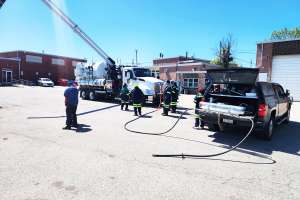
Problem: Maintaining continuous system pressure is critical to prevent contamination for Bergen Vann, the municipal water utility in Bergen, Norway. In this area, groundwater and trench water can be sources of contamination during depressurization or vacuum conditions in the pipeline network. Even if the work area or the exposed section of the pipeline is protected against trench water intrusion, it is still possible for groundwater or trench water to leak in through small cracks and holes.
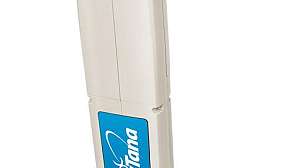
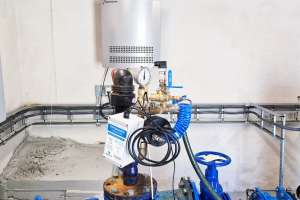
Solution: To assess the potential for drinking water contamination due to the intrusion of pathogens during low or negative pressure events, Bergen Vann used PIPEMINDER from Badger Meter, which are high-resolution pressure loggers that measure pressure at 128 samples per second. These devices have a measurement range of 0 to 290 psi with an accuracy of plus or minus 0.25%. Using the network architecture and historical information about likely pressure surge locations, the pressure loggers were installed in different parts of the water distribution system, including in valve chambers with service valves. Data from the pressure loggers is transmitted to a secure, cloud-based platform combining powerful data analysis with a simple and easy-to-use interface. Using utility-provided GIS data about the pipeline network (coordinates, diameter, pipe material, etc.), the time-synchronized pressure data can help to locate the source of the surge through network triangulation.
Result: Hydraulic vulnerabilities are now detected immediately through high-resolution network monitoring. The network was calmed as pressure surges were reduced in critical areas from 116 to 7.25 psi. 877-243-1010; www.badgermeter.com
Acoustic system locates 42-inch concrete water main
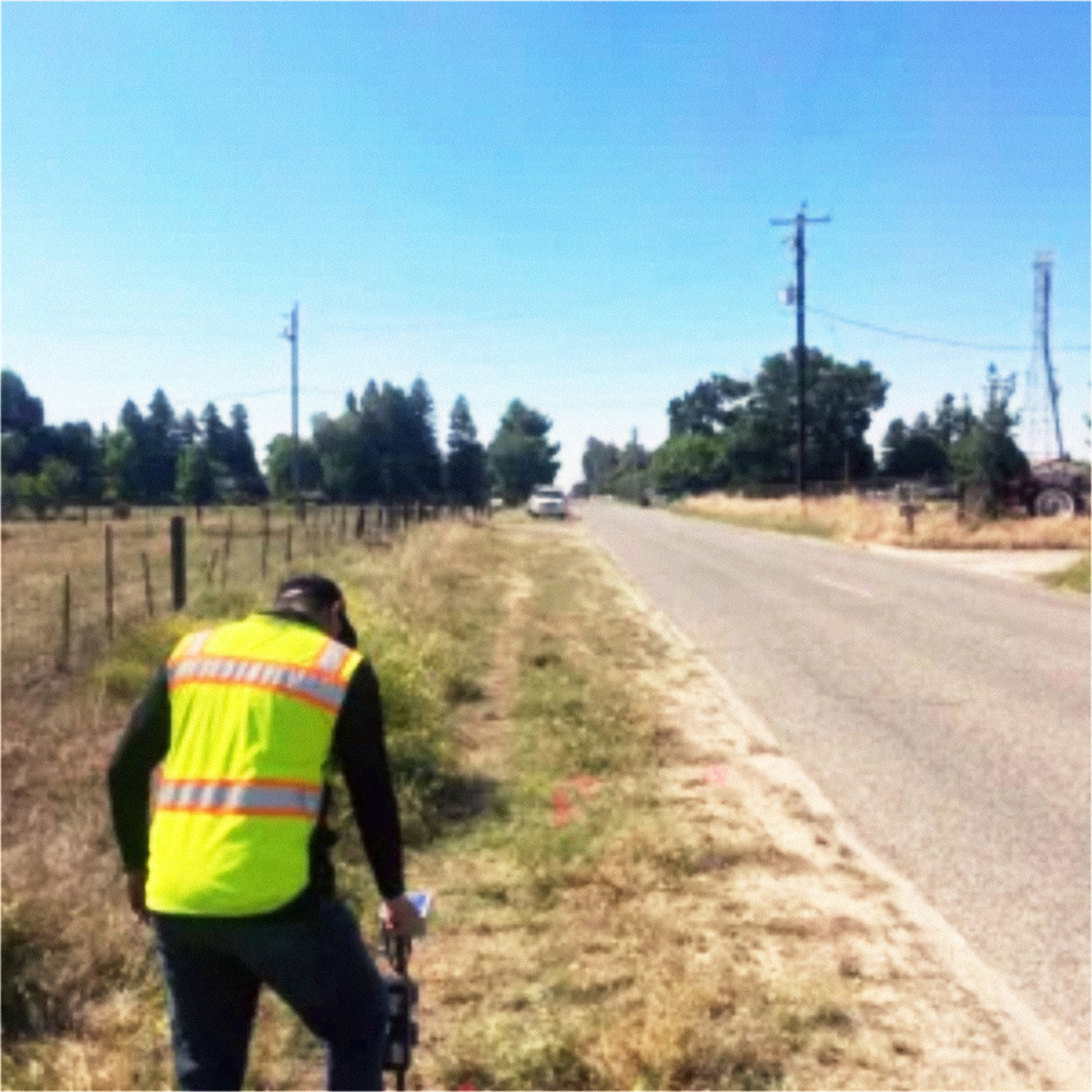
Problem: A utility in Clovis, California, needed to confirm the alignment of a large concrete water trunk main, understood to be approximately 42 inches in diameter. The utility had general knowledge of the route, but the main became difficult to follow where it turned away from the roadway. Conventional electromagnetic locating was limited because electrical continuity through the concrete pipe could not be assumed. Ground-penetrating radar was also unsuitable for the soil conditions. The crew needed a practical surface-based method to track the main through the uncertain section while limiting exploratory excavation.
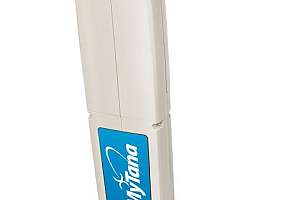
Solution: The locating team used the SonicFinder 1000 acoustic pipe locating system from Solinas Technologies. An actuator introduced acoustic energy into the pipe and surrounding ground. A portable sensor was then moved across the expected alignment to identify where the strongest acoustic response occurred. Unlike electromagnetic locating, the method did not require a continuous conductive path. The crew successfully followed the main for approximately 175 to 200 feet from the initial contact point. After the signal range diminished, the crew probed to the crown of the pipe, established a new acoustic contact point and continued the locate.
Result: The acoustic method confirmed the alignment of the large-diameter concrete main under field conditions where electromagnetic locating and GPR had limitations. The process provided the utility with a repeatable way to extend the locate using successive contact points and reduced the need for broad exploratory excavation. 587-885-7832; www.solinastechnologies.com
Continue reading for free