As late summer rolls around, many municipalities are breathing a cautious sigh of relief after months of battling heavy rains, flash floods and storm-related emergencies.
But while the peak storm season may be over, the work of municipal water management teams is far from finished. In fact, late summer presents a crucial window for storm sewer inspection, cleaning and maintenance — tasks that, if overlooked, can lead to serious problems in the fall and winter months.
Unsung heroes
Storm sewer systems are the unsung heroes of urban and suburban infrastructure. Their primary job is to channel rainwater and runoff away from streets, sidewalks, parking lots and buildings, preventing flooding and minimizing erosion. Their importance includes a public safety factor: helping to avoid rainwater buildup on roads that can lead to dangerous driving conditions.
Unlike sanitary sewers, storm drains do not lead to treatment plants. Instead, the water is typically discharged into nearby rivers, lakes or other bodies of water — often with little to no treatment. Because of this, keeping these systems clean and functional isn’t just about protecting infrastructure, property and public safety; it’s about protecting the environment as well. Debris, sediment and pollutants washed into storm drains during the summer can end up in natural waterways, harming aquatic life and degrading water quality.
Late summer challenges
By August, the cumulative impact of summer storms has usually taken a toll on storm sewer systems. Catch basins are often clogged with leaves, trash and organic material. Sediment buildup in pipes can reduce flow capacity, while root intrusion and structural damage may have gone unnoticed during wetter months when systems are in near-constant use.
Here are some key late summer maintenance concerns that municipalities should prioritize:
- Debris accumulation: After months of heavy rain, storm drains often collect an alarming amount of debris. Leaves, branches, litter and road grit can block catch basins and reduce water flow, increasing the risk of localized flooding during future storms.
- Sediment buildup in lines: Sediment carried by runoff tends to settle in low-flow areas of the storm sewer network. If not removed, this buildup can restrict water movement and contribute to backups or overflows during high-intensity rain events.
- Pipe and inlet inspection: Summer storms can also expose underlying structural issues such as cracked pipes, dislodged joints or misaligned inlets. Late summer is a good time to use inspection cameras or perform dye testing to assess the system’s integrity before colder weather sets in.
- Vegetation management: Tree roots seeking water often find their way into storm sewer lines. Trimming back vegetation and inspecting for root intrusion can prevent costly blockages down the road.
Tools for the job
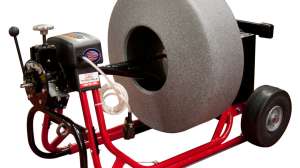
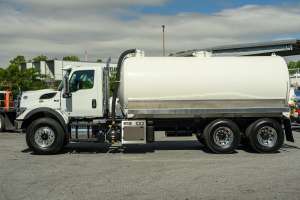
Municipal utility crews need the right equipment to effectively tackle storm sewer cleaning and maintenance, especially in the wake of an active storm season. High-powered sewer jetters are among the most important tools in this effort.
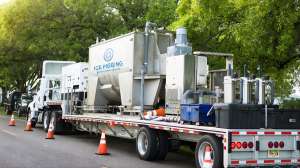
For example, at Vactor, the Ramjet truck series offers the kind of power and versatility needed for thorough cleaning of stormwater inlets, pipes, gutters and catch basins. Built with high-pressure water jet systems, such trucks can help teams break up stubborn sediment, flush out clogged lines and even cut through root obstructions. You should also think about features like ergonomic design and advanced control systems that help improve operator safety and efficiency — an important consideration when working long hours in challenging environments.
For municipalities dealing with both routine maintenance and post-storm cleanup, reliable jetter units aren’t just a tool — they’re an investment in long-term system health and emergency preparedness.
Plan ahead
While the temptation may be to delay nonemergency work until fall, August offers a strategic opportunity for proactive maintenance. With the worst of the summer rains behind and winter preparations still on the horizon, now is the ideal time to assess system performance, prioritize repairs and clean problem areas.
Here are a few tips for making the most of this season:
- Schedule systemwide inspections: Use late summer as a benchmark period to assess how your stormwater infrastructure performed under pressure.
- Prioritize known trouble spots: Review work orders, flooding complaints and maintenance logs to identify areas that need immediate attention.
- Document and plan: Keep detailed records of issues discovered and work completed. This data can help justify future budget requests and guide long-term infrastructure improvement planning.
Ongoing responsibility
Storm sewer maintenance isn’t just a seasonal task — it’s an ongoing responsibility. But for municipalities, late summer offers an opportunity to catch up, clean out and prepare for what’s next. With the right equipment and a clear plan in place, municipal teams can ensure that their stormwater systems are ready to handle whatever nature throws their way next.
Continue reading for free