Ultra-marathoner and water advocate Mina Guli is running approximately 2,000 miles along the Colorado River over 100 days to spotlight the severe pressures facing the waterway, according to ABC 15 News. Beginning near the river's Rocky Mountain headwaters and following its path toward the desert, Guli aims to physically demonstrate the massive scale of the river system.
Averaging about 30 miles a day, she is witnessing firsthand the impacts of drought, overuse and aging infrastructure on a river that supports 40 million people. Her run serves as the foundation for a broader advocacy campaign strategically timed ahead of the expiration of the river's current operating rules in 2026. Along her route, she is hosting community runs and water summits in major cities like Denver and Los Angeles.
Sewage Spill Moves Down Arkansas River
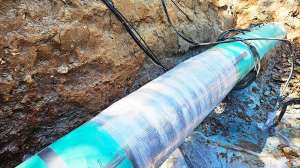
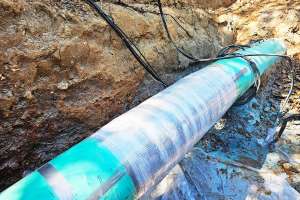
A failed patch on a wastewater pipe at a Pueblo treatment plant released roughly 4.25 million gallons of raw sewage into the Arkansas River before crews stopped the leak. The spill has prompted urgent downstream health warnings across southern Colorado, with state environmental officials detecting dangerously high levels of E. coli in the water.
Public health agencies are urging people and their pets to avoid contact with the river from Pueblo down to Las Animas, and the state's agricultural department has warned downstream produce farmers to ensure their irrigation water is of adequate quality before use. This contamination worsens existing hazards at the reservoir, which had recently been downgraded to a yellow caution level due to cyanobacteria blooms.
EPA Announces Funds to Protect Drinking Water From Cyberattacks and Weather Events
The U.S. Environmental Protection Agency recently announced $11.75 million in grant funding for midsize and large drinking water systems to help protect them from cybersecurity threats and improve resiliency against extreme weather events. This funding, through the Midsize and Large Drinking Water System Infrastructure Resilience and Sustainability grant program, will support 10 projects.
“With over $11 million in grant funding, EPA is helping ten drinking water systems strengthen their resilience to these risks while advancing best practices within the water sector," says EPA Assistant Administrator for Water Jess Kramer. "This funding is just one part of the equation and complements the agency’s technical assistance work and partnership with federal agencies, states, and the water sector to address cyberattacks and natural hazards.”
The Midsize and Large Drinking Water System Infrastructure Resilience and Sustainability Grant Program supports building resilience against cyberattacks and natural hazards to strengthen vital water infrastructure across the country. Cyberattacks on critical water infrastructure have increased significantly, including high-profile attacks this year targeting more than 100 drinking water and wastewater systems across 12 states.
Continue reading for free