Winter delivers a multitude of challenges for sewer cleaner operators, and protecting essential equipment from the ravages of freezing temperatures is among the top priorities. For owners of combination sewer cleaners, the potential for costly damage due to frozen water is a significant worry.
When temperatures drop below freezing, the water system on a combo truck is at risk of turning to ice. This expansion of water within the system can cause severe damage to hoses, pumps and other components. The resulting downtime and repair costs can be substantial, disrupting operations and impacting productivity.
By understanding the risks and implementing proactive measures, owners and operators can safeguard their equipment and ensure uninterrupted service.
When working on or around a sewer cleaner, always prioritize safety. Wear appropriate personal protective equipment including eye protection, foot protection and gloves. Follow all manufacturer guidelines and safety precautions.
By investing time and effort into preventive maintenance, the life of the sewer cleaner can be significantly extended. Furthermore, costly repairs can be avoided or minimized. Regular inspections, proper storage and timely addressing of issues are key to maintaining optimal performance through freezing temperatures and beyond.
Here are nine tips to keep your equipment in proper order and your maintenance on schedule.
1. Understand the Equipment: Specific recommendations are outlined in the operator’s manual. This guide provides invaluable insights into equipment’s vulnerabilities and recommended care practices.
2. Park in a Warm Environment: If possible, store equipment indoors or in a heated garage during periods of extreme cold. This provides the best protection against freezing.
3. Insulate Exposed Components: If feasible, insulate hoses, pipes and other vulnerable components to minimize heat loss. This can be particularly effective in areas where equipment is exposed to the elements.
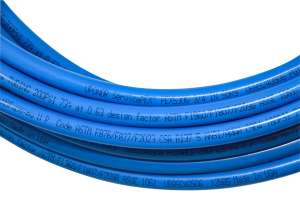
4. Drain Systems Thoroughly: Before freezing temperatures arrive, completely drain the water from hoses, pumps and tanks. Residual water can freeze and cause damage.
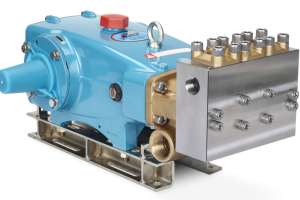
5. Protect the Water Pump: The water pump is a critical component of any sewer cleaner, and protecting it from ice is essential. To minimize the risk of ice formation, ensure all water is removed from the pump and pump housing. Then, run the pump for a short period to expel any remaining water. Finally, cover the pump with a tarp or cover to protect it from external elements.
6. Utilize the Recirculator: While driving on work sites, use the recirculator. This keeps the water flowing and will reduce the risk of freezing.
7. Conduct Regular Inspections: Conduct routine inspections of equipment for signs of wear or damage. Addressing issues promptly can prevent more significant problems down the line.
8. Make an Emergency Plan: Develop a plan for responding to a frozen water situation. This should include steps to thaw the system safely and identify potential repair needs.
9. Recognize the Signs of Ice Formation: Early detection of ice formation is crucial. Signs to watch for include unusual noises coming from the pump, reduced water flow, difficulty starting the engine and visible ice formation in hoses or tanks. If an ice formation is suspected, immediately cease operation and move the vehicle to a warm environment. Allow the system to thaw completely before attempting any maintenance or use.
Continue reading for free