Stormwater management is changing. Communities are grappling with aging infrastructure, increasingly intense rainfall events and growing pressure to protect both water quality and water supplies. As a result, municipalities are progressing past the traditional goal of simply conveying runoff away as quickly as possible and instead are embracing strategies that capture, store, treat or even reuse stormwater.
The projects highlighted below illustrate how that evolution is taking shape. From advanced water reuse facilities and massive underground storage tunnels to green infrastructure and updated planning practices, these examples demonstrate that successful stormwater management requires a combination of innovation and long-term planning.
Capturing and Reusing Stormwater
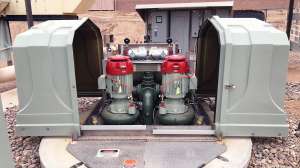
Santa Monica is proving that stormwater can be transformed from an environmental liability into a dependable local water supply. Its Sustainable Water Infrastructure Project treats a blend of stormwater and wastewater to a quality suitable for aquifer recharge and potable reuse, all from an advanced treatment facility constructed almost entirely beneath a downtown parking lot.
The project not only diverts polluted runoff from Santa Monica Bay but also moves the city closer to long-term water independence. By demonstrating how advanced treatment technologies can support indirect potable reuse, the facility offers a practical roadmap for other communities pursuing water resilience.
A Holistic Approach to CSO Control

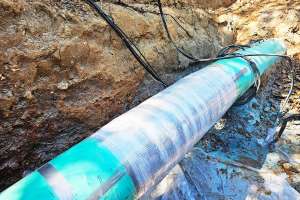
Lynchburg, Virginia, is taking a different approach by dramatically reducing combined sewer overflows with a massive underground storage tunnel. Once complete, the Blackwater CSO Tunnel will capture millions of gallons of combined sewage and stormwater during heavy rainfall, preventing discharges into Blackwater Creek and the James River while helping the city achieve a 98% reduction in overflow volume.
The tunnel represents decades of strategic planning, regulatory collaboration and creative funding. Rather than relying exclusively on costly sewer separation, Lynchburg adopted a capture-and-treat strategy that accelerates environmental improvements while helping keep costs manageable for ratepayers.
A Natural Approach to Stormwater

Kansas City has become a national leader by making green infrastructure a cornerstone of its long-term Smart Sewer program. Bioswales, rain gardens, permeable pavement and other nature-based solutions are being used alongside traditional infrastructure to keep stormwater out of combined sewers before it can contribute to overflows.
The city's approach shows how stormwater projects can deliver benefits above and beyond regulatory compliance. Many installations double as parks, trails and community gathering spaces, showing how investments in water infrastructure can also improve neighborhoods and support future redevelopment.
Better Stormwater Management

While individual projects showcase what's possible, municipalities also need a broader strategy for preparing their stormwater systems for the future. Experts recommend designing infrastructure that reflects today's rainfall patterns rather than yesterday's, treating stormwater as a valuable water resource and involving solution providers early in the design process.
Taken together, these recommendations encourage communities to view stormwater management as a comprehensive planning effort rather than a series of isolated projects. As weather patterns evolve, this strategic mindset helps utilities build systems that are more resilient and sustainable.
Continue reading for free