The increasing frequency and intensity of storms and flooding demand a stronger focus on water infrastructure. As a result, municipalities need to change how they approach stormwater management to ensure it receives the strategic focus needed to help safeguard water as a valuable resource and protect communities.
Historically, stormwater runoff has often been seen as a nuisance or environmental threat. The primary focus was on moving water away from urban and developed areas as efficiently as possible. This was often accomplished by simply putting pipe and drains in the ground.
Fortunately, stormwater management has evolved significantly over the years. There is greater understanding that while this approach is effective in the short term, it often creates unintended consequences such as water pollution, erosion and the degradation of natural ecosystems.
Because today’s storms are producing higher volumes of stormwater, it is time for stormwater management to evolve once again. Municipalities need to take a more strategic approach to stormwater management. One that ensures the infrastructure can meet the challenges presented by changing storms and climate, while also treating stormwater as a valuable asset.
Municipalities can take four steps to evolve their approach to stormwater management and better protect their communities.
1. Design and install systems that reflect changing rainfall patterns
When it comes to stormwater management, most of the current regulations, standards and design models are based on outdated precipitation data. Using historical rainfall records has quickly become an inadequate approach to stormwater management because it does not take into consideration the ongoing impact of the change in weather patterns.
In fact, a study from the University of Wisconsin–Madison and Carnegie Mellon University makes the case that stormwater infrastructure designed using the 100-year storm and the intensity-duration-frequency curves developed by the U.S. National Oceanic and Atmospheric Administration is inadequate to deal with today’s storms. The good news is that NOAA is currently updating U.S. precipitation frequency standards to account for climate trends.
When finished, its Atlas 15 project will become “the federal government’s new authoritative dataset for the planning and design of infrastructure.” While it isn’t expected to be published until 2026, municipalities need to think beyond the current standards now when designing and sizing stormwater management projects. Projects being designed today must meet the challenges posed by the changing climate.

2. Treat stormwater as the valuable resource it is
As communities experience higher volumes of stormwater and/or water scarcity issues, there is a growing need to view stormwater as a valuable asset that can be harvested and reused.
According to a recent Harris Poll from Advanced Drainage Systems, the idea of stormwater as a resource appears to be increasing with the American public, with 60% of respondents expressing concern about how stormwater is managed to ensure sustainability and stewardship.
While rainwater harvesting focuses primarily on capturing rainwater runoff from rooftops, stormwater harvesting is using runoff from roofs, as well as ground level areas like paved parking lots. By incorporating water harvesting in projects where appropriate, municipalities can create a readily available source of water for use in graywater applications to help alleviate strains on potable water supplies.
When managed and treated properly, stormwater runoff can also be used to recharge aquifers in certain areas of the country. Aquifers are a vital source of water for many parts of the country, and recharging them is essential for maintaining the health of our water supply.
There are a number of retention and detention system options available that allow stormwater to slowly percolate through the soil, filtering so it can seep into the ground to recharge underground aquifers. By creating space for the water to infiltrate, these stormwater management solutions mimic natural processes that would normally occur during rainfall in undeveloped areas.
3. Increase storage capacity of retention and detention systems
One way to deal with the larger volume of stormwater resulting from more frequent and intense storms is to increase capacity of the stormwater infrastructure. Increasing the storage capacity of retention and detention systems allows municipalities to store more stormwater and release it at a slower rate to minimize instances of flooding. Designing for excess capacity can also help the system better handle those once-in-a-lifetime stormwater events.
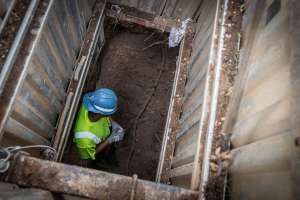
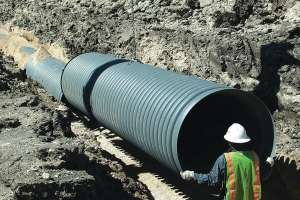
So what does this look like? From a convey, capture and conveyance standpoint, it could include larger structures to capture the water, larger catch basins or more of them in more locations. It could also mean upsizing storm sewers so they have more capacity to carry the water where it needs to go. In developed and urban areas where space is limited, belowground containment can be designed and utilized to increase capacity of the system to effectively store stormwater.
Incorporating green infrastructure, such as rain gardens and bioswales, can also be used to effectively increase storage capacity, while providing environmental and sustainable benefits. However, it is important to understand the limitations of these types of solutions, especially when it comes to handling the velocities and intensity of rainfall brought by many storms today. If green infrastructure is utilized, it is important that the overall system is designed so that it works in companion with traditionally hard infrastructure.
4. Engage with a stormwater solution provider early in the design phase
Taking a more strategic approach to stormwater management often requires engaging with the stormwater management solution provider early in the project. Providers who have experts on hand can help identify design requirements and create a site-specific solution. This includes, not only regulations and building codes, but also site constraints, preferences of communities, soil characteristics, pollutant load, water flow and area rainfall. They take a macro-level view of these factors to make sure the goal of the project is feasible and to determine what type of stormwater solution would best meet that goal.
Engaging the supplier in the preplanning phase can provide a valuable opportunity to explore new options and technologies that are available. It can also help eliminate costly instances where changes or a different solution need to be shoehorned into a project after the majority of the design has been completed.
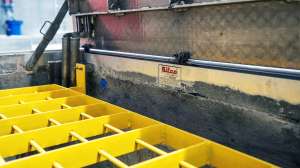
Some stormwater solutions providers have state-of-the-art hydraulics labs, like the one Advanced Drainage Systems recently unveiled, to replicate real-world stormwater conditions. Within the lab, several variables can be changed, including flow rate, elevation and rainfall volume, to better represent what municipalities encounter in real-world situations.
These labs offer a “What if?” ability that is often not enjoyed with projects in the field. Questions like “What if we did this?”, “What if we use this configuration or solution instead?”, and “What if we experience this type of event? What does that look like?” can be explored and answered by playing out various scenarios.
The increasing occurrence of heavy rainfall events is straining natural waterways and municipal infrastructures. This is causing an increase in flooding and hazards to life and property, as well as allowing pollutants to make their way into streams, rivers and lakes.
Implementing these steps can help municipalities evolve their approach to stormwater management, enable communities to recover successfully from major storm events and protect the water that is our most vital resource.
Daniel Figola is an accomplished engineer with over 20 years of experience in land development and stormwater management. He is the director of engineering and environmental strategy at Advanced Drainage Systems.
Continue reading for free