When Kevin Jacobson left his small-town municipal job in Iowa, he wasn’t chasing success — he was escaping burnout. But what started with a secondhand jet truck and a teenager wiping debris off TV cables has since grown into one of the Midwest’s most respected trenchless contractors.
With Kevin’s foundational experience and his son Shane’s relentless drive to innovate, CIT Sewer Solutions now serves multiple states, tackles high-risk jobs others won’t touch, and has even spawned a proprietary lighting product that’s gaining national attention. This is a story of perseverance, invention and the kind of leadership that prioritizes doing the job right — even when that means doing it the hard way.
Public Service
Kevin Jacobson never set out to become the CEO of a multistate trenchless services company. In 1979, fresh out of college, he took on the role of water and wastewater superintendent for McCallsburg, Iowa — population 325. “I did it all,” Kevin says. “Water plant, wastewater, snow removal. I was even the fire chief and first responder.”
After a stint in California — from which his wife’s health conditions led the family back to Iowa — Kevin accepted a new position as the water and wastewater superintendent of Story City, Iowa. But it was there that he realized the tremendous backlog of demand for reliable, high-quality cleaning and televising services. “You’d call a contractor and wait months,” he recalls. “There just weren’t enough of them.”
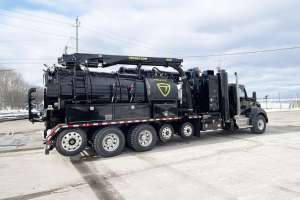
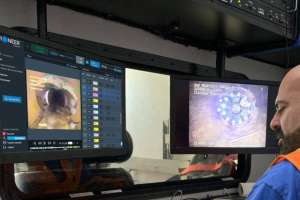
Seeing the gap, Kevin began moonlighting for a friend with a jet/van and inspection truck. He also enlisted his young son Shane to help — assigning him the unenviable task of wiping debris from the video cable. “That was my first taste of the job,” Shane laughs. “Let’s just say it stuck.”
Bootstrapping
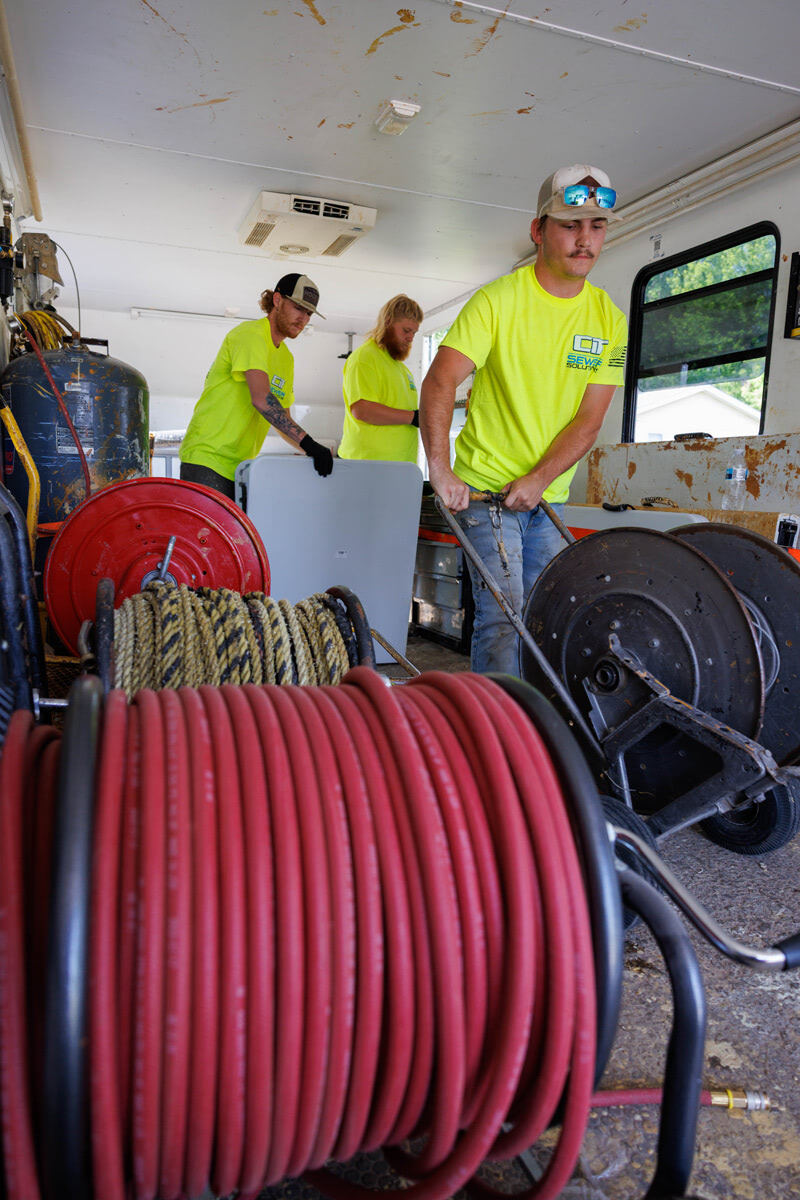
In 2007, with municipal retirement on the horizon, Kevin made the leap. With $25,000 borrowed from his brother and a local banker’s help, he purchased used equipment and launched Central Iowa Televising — now known as CIT Sewer Solutions. Shane and a high school friend were his first employees.
Word spread fast, helped by Kevin’s years of industry connections through the Iowa Rural Water Association and his teaching at the local community college. “People knew me, and they knew I cared about quality,” he says.
In those early years, Shane wore multiple hats — technician, scheduler, project manager and reluctant marketer.
“I wasn’t super excited about public speaking, but Dad said I had to, so I did,” he says. “And it worked. Lunch-and-learns and engineering firm outreach really moved the needle.”
One milestone came early: an encounter at the Pumper and Cleaner Expo [now the WWETT Show] in Louisville, Kentucky, where Shane and his classmate shared drinks at a hospitality event at Churchill Downs with an older gentleman, industry legend Jack Doheny. When Kevin met him the following year, Doheny said, “You’ve got to keep those guys. They know more than half the people out here twice their age.”

Growing pains
Like many family-run companies, CIT’s growth was not without tension. “Shane’s a three-quarters-full guy. I’m the one who wants to chew on every decision,” Kevin says. “There were times I wasn’t his biggest fan, and he wasn’t mine.”
Those years included long hours, tight margins, and hard lessons — especially around hiring. Early on, friends and relatives filled roles. Shane’s brother joined the company in 2014 after a stint working in the oil fields of North Dakota. He is now a seasoned jet/vac operator and CIPP installer and serves as CIT’s safety director and field superintendent.
“He plays a huge part in keeping the crews in check and training the next generation of operators to work safely and efficiently,” Shane says. But he realized that his brother was the exception. “We learned quickly that friends and family aren’t always the best hires.” CIT shifted to recruiting farm-raised, hardworking Iowans — and invested in professional development and accountability systems.
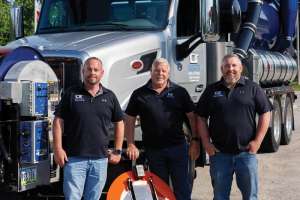
By 2014, Kevin had retired from his municipal job and joined CIT full time. Shane focused on building internal structure — promoting trusted field operators like Colton Adams into management roles and expanding the sales team. Today, CIT has 27 employees and a three-person sales force covering Iowa and parts of Missouri and Arkansas.

Diverse capabilities
CIT began with cleaning and televising, but under Shane’s direction, the company steadily expanded into trenchless rehabilitation. In 2010, they tackled their first point repair — right in McCallsburg.
“The pipe was half gone,” Kevin recalls. “But we made it work, and it’s still holding strong today.”
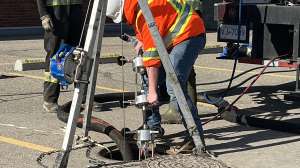
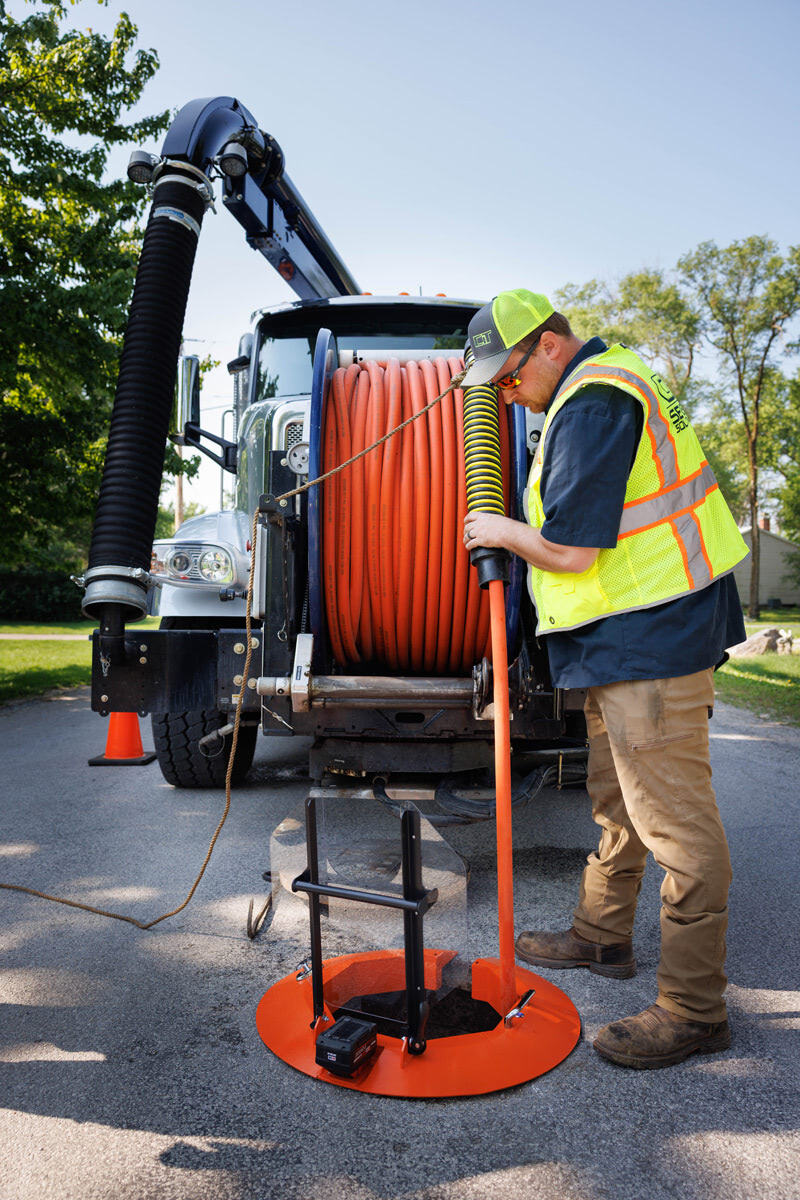
More services followed: lateral reinstatements, connection liners, robotic cutting, smoke-testing and I&I studies. Hydroexcavation, too, enabled by the dual functionality of their combination trucks. While not their primary focus, it added versatility to their fleet.
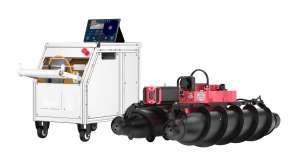
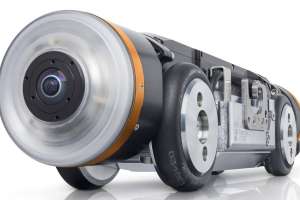
A turning point came with the addition of UV-cured liners and the transition to the less complex TigerWye system from Source One Environmental, deployed using Schwalm robotics. “Now we can do 6-inch to 36-inch mainline diameters with high accuracy and a much lower rate of failure,” Shane says.
Novel approach
One of CIT’s most complex jobs came in late 2023, when the city of Des Moines reported a collapsed sewer line under a Union Pacific rail crossing. The line also served a major ADM plant, where downtime would cost nearly $1 million per day.
“Our team found a massive void,” Shane explains. “It took hours of coordinated water blasting and jetting to clear it.” Using lateral launch and precision rope pulling, the team installed a 10-foot point repair — bridging the missing section and restoring service.
A subcontractor then grouted the void, and CIT finished with a UV-cured liner from manhole to manhole. The result? No disruption to rail traffic, zero plant downtime and millions in savings.
Another seemingly impossible project came across their desk in Springfield, Missouri, when a 15-inch main under Highway 65 collapsed. “The liner had failed. Only about 5% was still open,” Shane says.
Traditional contractors deemed it a dig-and-replace job due to the location and high risk, but CIT had other ideas. When they began removing the failed liner, they found that the host pipe was missing and had nothing to support the Schwam robot during the removal process, so they had to think outside of the box. They used a process Shane dubbed “bridge patching” — cutting and lining the pipe in two-foot segments using robotic equipment and custom packers. The final step involved a full-length liner to unify the repaired section. This resulted in the city avoiding a $750,000 replacement and major public disruption.
Culture and communication
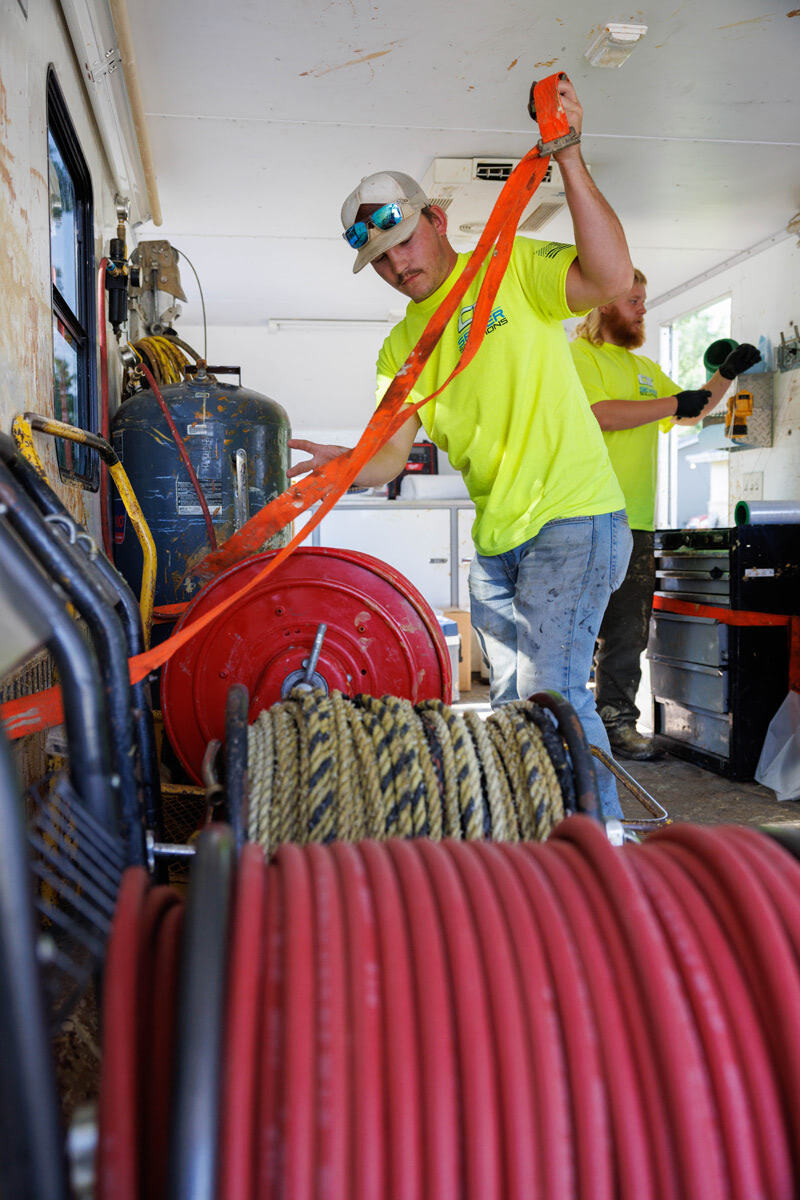
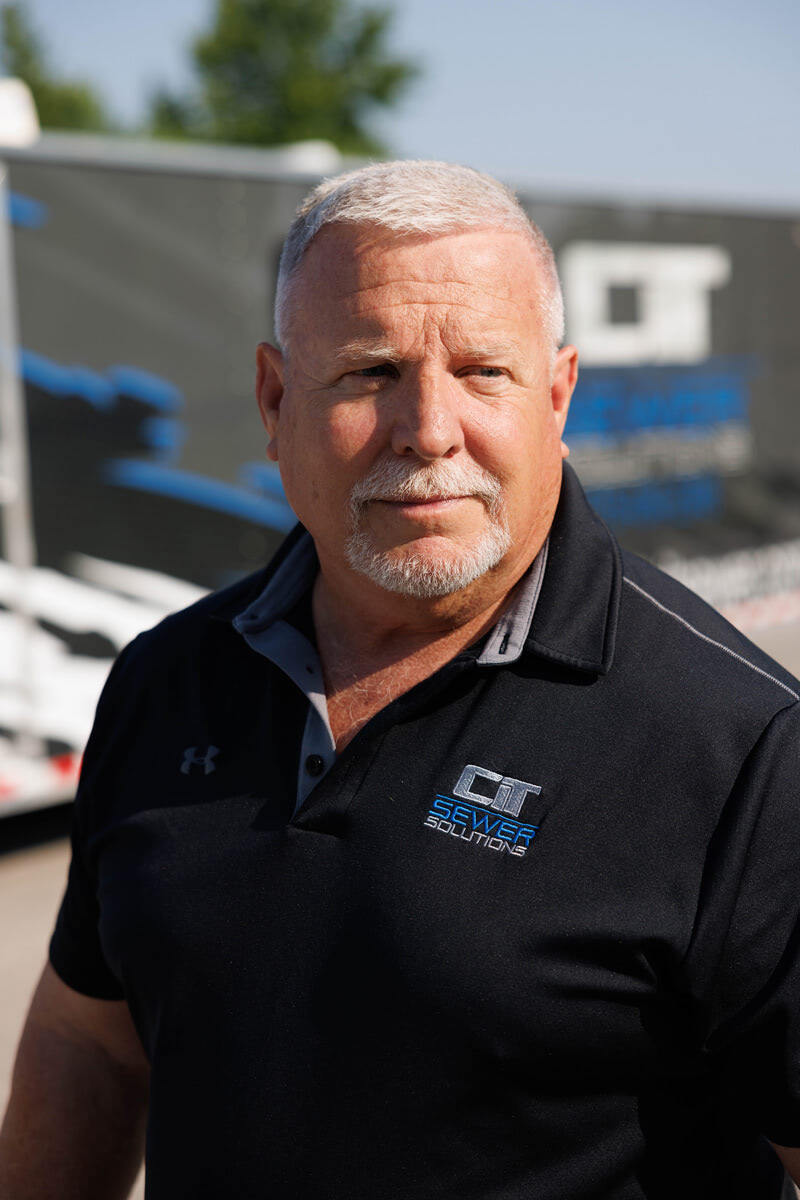
Ask either Jacobson the secret to CIT’s reputation, and they’ll tell you: It’s about doing what you say you’re going to do.
“We’ve always stood behind our work,” Kevin says. “Even when a job doesn’t go to plan, we make it right.” Their communication-first approach has won over clients burned by unresponsive vendors. “We’ve gained a lot of market share simply because we show up and keep in touch,” Shane says. “We’re not perfect, but we’re accountable.”
That accountability now extends across the organization. Since being promoted to vice president, Shane has implemented leadership meetings, performance metrics and mutual accountability practices — helping the company transition from a lifestyle business to a structured, growth-oriented enterprise.
Future-focused
Both men see the future of trenchless technology increasingly intertwined with automation and AI. Shane cites emerging tools from companies like SewerAI and the integration of software-driven maintenance workflows.
“Operators need to stay curious,” he says. “Five years in, I thought I knew everything. I didn’t. You’ve got to keep learning, keep experimenting.”
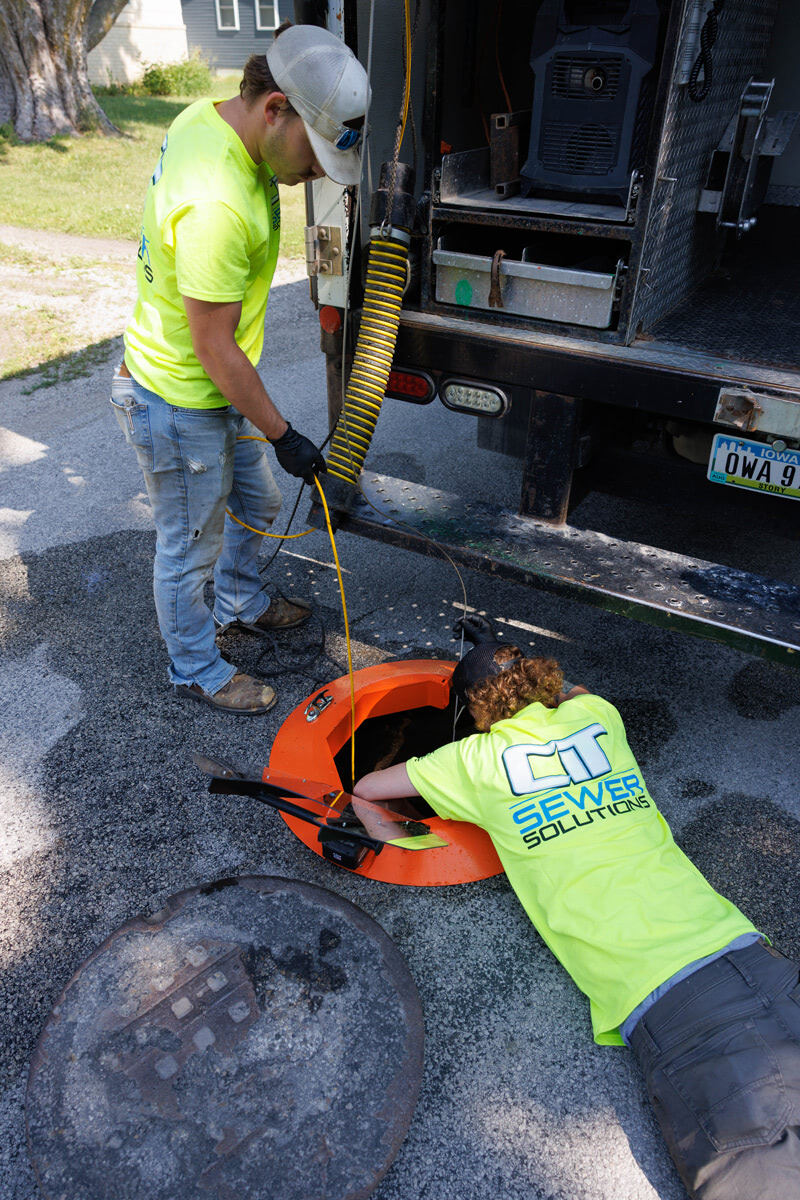
That experimental mindset is what sparked the creation of the Light Ring, a breakthrough manhole illumination and safety device. What began as a casual field remark — “Wouldn’t it be great if there were a ring light for structures like this?” — ignited Shane’s inventor instincts. Drawing on his experience and insight from the field, he worked with colleagues and a local fabricator to develop a prototype. Field testing and iterations followed, eventually leading to a production-ready unit that major municipalities across the U.S. are adopting.
“The Light Ring wasn’t just about brightness — it was about solving multiple problems: visibility, safety and hands-free convenience,” Shane explains. “And we knew if it helped our crews, it could help others, too.”
That spirit of innovation runs parallel to CIT’s broader growth. The company’s southern expansion — originally intended as winter fill-in work — has blossomed into a year-round operation. A second location in Missouri or Arkansas is now on the horizon.
And as the Light Ring gains national traction, Shane is navigating the dual role of contractor and technology innovator — proof that sometimes, the best ideas are born in the field.
Field wisdom
Kevin’s advice is simple but powerful: “Be a man of your word. If you promise a customer something, deliver.”
Shane echoes the sentiment, but adds a twist. “Trenchless work is tough. The best operators never stop improving. Don’t get complacent. Keep looking for better ways — and don’t be afraid to try them.”
It’s this blend of old-school dependability and forward-thinking vision that defines CIT — and ensures that their best chapters are still being written.
As the company has grown, so has its reputation across the Midwest and beyond. CIT Sewer Solutions is not just another contractor — it is a team of innovators, problem-solvers and industry advocates committed to advancing the quality and reliability of sewer maintenance and rehabilitation. Their work with municipalities and engineering firms has helped elevate expectations of what trenchless contractors can deliver. Many of their most complex and rewarding jobs come from referrals or return clients, who value their creativity, communication and commitment to standing behind their work.
One of the most significant drivers of CIT’s success has been its investment in both people and process. Shane notes that while equipment matters, it’s the team’s deep knowledge, accountability and willingness to innovate that give them an edge.
“We’re not afraid to be the first to try something new, if it means we can solve a tough problem better,” he says. That mindset is evident in the company’s structured project management systems, internal training and the trust they place in employees to take ownership of their work.
Kevin echoes this sentiment, adding, “Treat your employees right because without them, you’ve got nothing.” That principle has helped CIT maintain a strong team, even as the industry faces labor shortages. Many employees stay because of the company culture — one that values family, fairness and pride in a job well done.
Looking ahead, CIT plans to expand both geographically and in service scope. Their presence in southern Missouri and Arkansas is expected to grow into a permanent satellite operation, and Shane hints that new specialty services could be on the horizon. At the same time, they remain firmly committed to their core: CCTV inspection, trenchless point repairs, connection liners and creative solutions that extend the life of sewer infrastructure without disruptive digging.
For contractors, municipalities and industry newcomers, the story of CIT Sewer Solutions offers a compelling blueprint for success. It’s about remaining curious, staying accountable, and remembering that even in the dirtiest work, there’s room for innovation, integrity and impact.
As Kevin put it, “Be a man of your word. Do what you say you’re going to do. That’s how we built this company. And that’s how we plan to keep it strong.”
Continue reading for free