The Safe Drinking Water Act was established in 1974 to protect public health by regulating the nation’s public drinking water supply. For rural communities to be compliant, a lot of money was invested in water and sewer infrastructure in the late 1970s and early 1980s.
Utility board members and water and sewer operators who began their careers during this time often continued to serve the utilities until their retirement. For many communities, the exodus of this generation of community water resource leaders combined with aging infrastructure meant water infrastructure was not maintained.
Today, a new generation of water and wastewater operators and technicians, mayors, city council members and water board members is helping rural communities ensure safe and reliable water for their citizens.
This generation is trying to do all it can, often with limited resources in a race against the clock. As the American Water Works Association first chronicled in its Buried No Longer report, “More than 1 million miles of pipe are nearing their end of useful life and approaching the age at which they need to be replaced.”
The water infrastructure challenges rural areas face may seem daunting, but there are many opportunities and resources available. Whether you are a water resources engineer, a representative of the water and sewer board or a city council member, these tips are perfect for starting small and building a strong water and wastewater planning process.
When it comes to an existing water system inventory, many rural communities may only have outdated paper maps stored somewhere in a file cabinet. And that’s sometimes a best-case scenario.
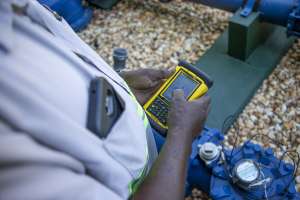
A thorough inventory includes evaluating the pipe size, pipe length, and condition of water and sewer lines, water meters, hydrants, manholes, treatment plants, pump stations and water storage facilities. For small rural communities, however, the resources might not exist to hire a consulting engineering firm that would have the expertise needed for a comprehensive assessment using technology like GIS. In this case, it’s possible a volunteer might be able to start a basic inventory.
Start small tip: Reach out to see if there is someone who has enough working knowledge to at least go around and mark valve locations on a paper map. Other visible components a volunteer may be able to inventory include fire hydrants, water meters and manholes.
Whether a paper map prepared by a volunteer city employee or a comprehensive GIS inventory prepared by a consulting engineering firm, you first need to know what water assets exist and get an idea of their current condition. Focus on identifying needs for immediate repairs first.
While reviewing data and reports is crucial, a firsthand look can be highly informative. A great step in learning about your community’s water systems is to visit its facilities.
Start small tip: If possible, encourage city council to go on a tour of the water treatment plant. Firsthand observation can even strengthen arguments for budget allocations and the need for infrastructure improvement projects.
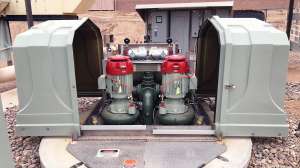
Request a tour of key facilities like treatment plants, storage tanks, pump stations and sections of the distribution system. During the tour, ask questions about infrastructure redundancy measures, including the capacity of backup systems (eg. additional pumps, storage tanks) and their functionality. Look for and ask about any visible signs like leaks or damaged and aging equipment.
The Clean Water State Revolving Fund is a federal-state partnership established by the Environment Protection Agency to provide low-cost financing for a variety of water quality infrastructure projects to communities. Projects can include municipal wastewater facilities, nonpoint source pollution control, stormwater management and more.
The CWSRF provides funding to all 50 states plus Puerto Rico. Your community may be eligible. To learn more about your community’s eligibility and how to apply for CWSRF funding, you can start small by visiting the CWSRF’s website and contacting your state’s program.
Start small tip: Contact your state’s CWSRF program. Each state manages its own program. You can find contact information on the EPA’s website.
Also consider visiting your state’s environmental protection agency website. They may have more information about the CWSRF program and eligibility criteria.
Regional planning commissions, state associations and similar organizations can be valuable assets for rural communities planning water infrastructure projects. Many will have grant application writers on staff to assist rural communities in completing applications, and in some cases can even help to identify the most appropriate funding opportunities to apply for per eligibility requirements.
These organizations can also connect rural communities with other resources such as technical experts and training opportunities. Additionally, these organizations are usually willing to lend their expertise gained from previous rural water infrastructure projects for valuable technical assistance and guidance throughout the planning process.
Start small tip: Not sure which local planning and development organizations exist in your community? Start with some online research, per the suggestions below, and make a list of possible organizational partners to reach out to and begin building relationships.
Many state government websites list their affiliated planning and development organizations. Look for sections like “Community Development,” “Rural Development” or “Water Resources.”
The USDA Rural Development website is a great example. The site even allows filtering by state to find relevant programs and local USDA Rural Development office contacts: rd.usda.gov/browse-state.
Established in 1994 by the U.S. Department of Agriculture, USDA Rural Development is dedicated to improving the economy and quality of life in rural communities. It provides financial assistance in the form of loans, grants and loan guarantees to support various aspects of rural development, including utilities.
Also, look for websites of national organizations focused on rural development. For example, the Rural Community Assistance Partnership (rcap.org) is a national network of nonprofit partners working together to provide technical assistance, training, resources and support to rural communities across the U.S. Use this form to find out more about resources that may exist for your community: rcap.org/get-assistance.
The Rural Water Association is a national nonprofit organization dedicated to supporting and advocating for rural water and wastewater systems.
RWA chapters provide workshops, training, technical assistance, help securing financial assistance and more.
Start small tip: To find your local state association, you can visit nrwa.org/about/state-associations. Many RWA state chapters also have their own websites, so make sure to check whether your state does or not.
Evaluate systems for unaccounted water via leaks, faulty water meters or even water theft. Also, find out whether there is a plan in place for an unexpected water event and a secondary source of water. If these infrastructure weaknesses exist, addressing them should be prioritized.
Start small tip: Ask for maintenance records. Records of repairs, replacements and maintenance activities can reveal areas prone to problems and identify recurring issues.
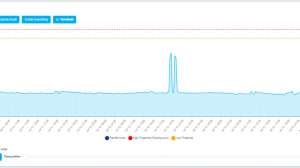
Analyzing water meter data is a good place to start for understanding any leaks or water theft. Abnormally high usage compared to property size and occupancy can be an indicator of water theft and areas with unusually high water usage compared to historical records can be an indicator of leaks. In some cases, a leak detection study may be needed to prioritize identified areas via further assessment.
Start small tip: Talk to engineers, operators and maintenance personnel. They possess extensive knowledge of the system, potential problems and are involved in ongoing efforts to address them.
As recent events like the Flint water crisis, Texas winter storm and the water crisis in Jackson, Mississippi, all reveal, lack of redundancy can be a critical water infrastructure weakness. Relating back to visiting facilities, ask about what redundancy is built into critical water infrastructure, if any, and potential vulnerabilities in the event of component failure. Ask if any system maps and diagrams are available to understand the layout and potential backup options.
You may not be able to afford a consultant to chart out a 20-year plan to ensure that infrastructure upgrades keep pace with growth. But you can learn some general maintenance guidelines for your water systems. Here are a few best practices to get you started:
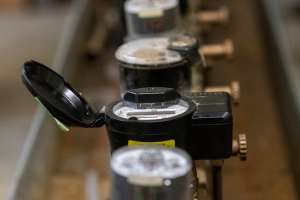
Start with implementing a seven-year water meter placement program. This ensures consistent and reliable measurement of water consumption. Newer water meters may also allow for remote reading of meter data, reducing the costs associated with taking manual meter readings and enabling faster detection of leaks.
Engineers also recommend a one-year valve exercising program. Each year, cycle each valve through a full open and close cycle. This prevents seizing, or the valves becoming stuck due to corrosion or internal deposits when left unused for extended periods. A valve exercise program ensures the valves are operational when they are (inevitably) needed for system repairs — for isolating sections of the waterline, controlling flow or managing pressure.
Every five years, conduct public fire hydrant flow testing. This verifies the capacity and functionality of the hydrant and helps ensure its flow rate meets requirements for effectively fighting a fire. Regularly operating the hydrant also prevents internal components from seizing or corroding, so that they are available when needed during an emergency.
These tips should give you and your community some direction when it comes to the big undertaking of water infrastructure planning. Take advantage of the many resources available to rural communities for water planning and you’ll be on the road to success.
About the author: Jonathan Carpenter, P.E., serves as the water resources market leader at The Thrasher Group (thethrashergroupnc.com) multidisciplinary civil engineering and surveying firm. You can reach him at jcarpenter@thethrashergroup.com.
Continue reading for free