In the water and sewer industry, there is sometimes a need for a lone individual to be working in the field or at a plant. If a utility is using lone workers, what if something bad happens?
Recently, an employee in the water utility industry was working alone late in the day when he passed out and fell face-first onto the floor. The employee suffered minor cuts and bruises from the fall to the floor, but later it was found out that he had a heart-related medical event and required surgery to correct. Fortunately, this employee woke up on his own and was alert enough to call for help.
What would have been the result had he not woken up his own? The employee also lives alone so there was no one at home waiting for him to come home that evening. Who knows when he would have been found.
This example highlights the real dangers of working alone in our industry. It also underscores the critical importance of having a plan for when employees are expected to work alone, whether it’s in the field or at a plant.
Primary issues for lone workers
- Help will be delayed until the employee is discovered if they are not alert enough to call for help.
- Hazards like falls, being struck by equipment, being caught in-between equipment, electrocutions, entrapment or overturned equipment could make it impossible for a lone worker to call for help even if they are alert.
- Heat exhaustion if unrecognized could turn into heatstroke during warmer months. Employees wearing personal protective equipment can quickly exacerbate the situation.
- Remote locations with poor signals and difficult access can delay response times and rescue services.
- High-crime areas may result in lone workers becoming victims of violence or theft.
- Vehicle incidents are risk factors for lone workers who multitask and lack a second set of eyes monitoring traffic conditions. Lone workers may have to navigate a difficult situation without support involving multiple vehicles, witnesses and law enforcement.
- Sudden weather changes can create hazards as well as lightning, strong winds, rain and flooding can suddenly overtake a work site.
- Medical emergencies such as heart attack, seizures, diabetic emergencies, severe allergic reactions and stroke are conditions that require immediate medical attention.
- Animal, snake or insect bites can cause a number of issues depending on the severity and type of bite.
Main concerns for water and sewer utilities
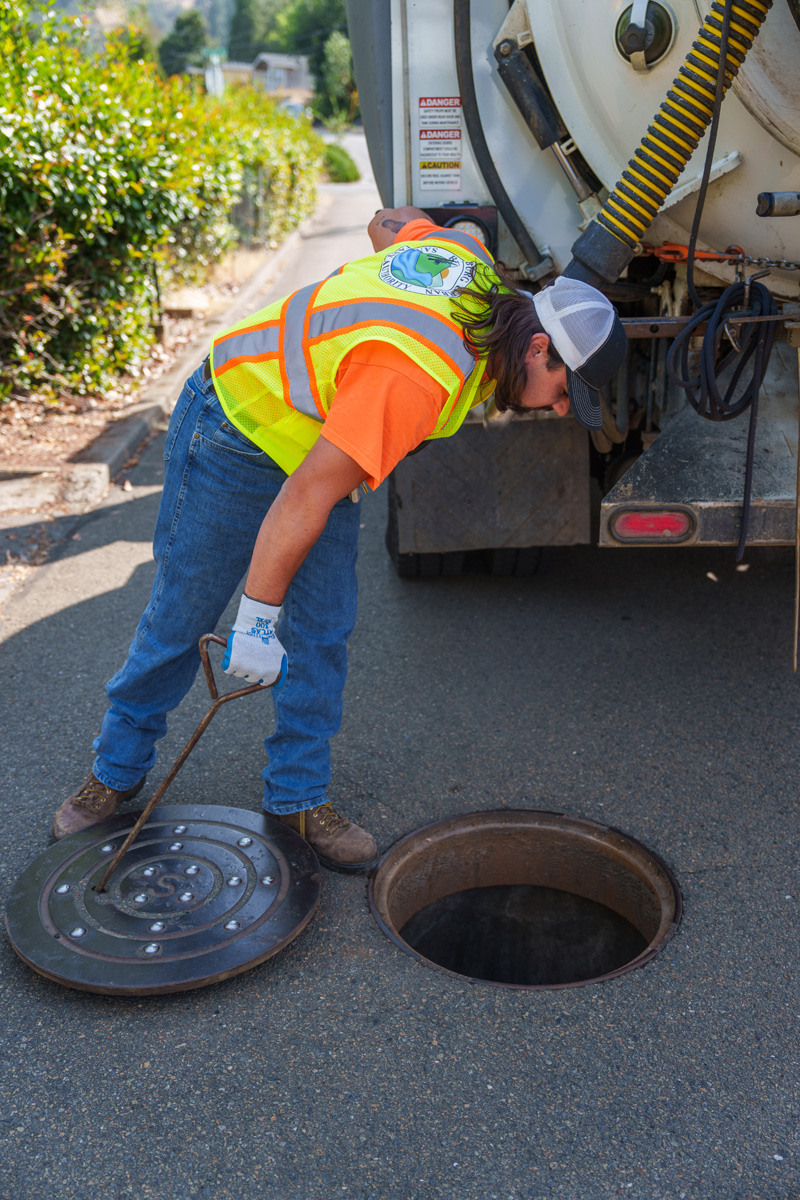
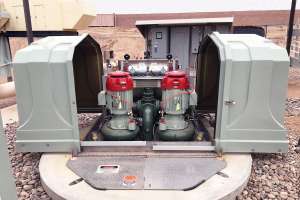
- Remote lift stations
- Proximity to energized electrical panels
- Chemical exposure (chlorine, sodium hypochlorite, sulfur dioxide, etc.)
- Drowning hazards near tanks and basins
- Confined-space entry (which should not be performed alone)
- Slip hazards on wet surfaces
- Heat stress during summer fieldwork
- Animal and insect encounters (snakes, dogs, bees, wasps)
- Traffic hazards while working near roadways
- Falls from ladders, platforms or elevated structures
- Assault or confrontation while working in public areas
- Vehicle incidents while traveling between sites
Lone worker controls
- Regular check-in procedures via radio or cellphone
- GPS-enabled devices to track lone workers
- Emergency SOS buttons
- Written lone worker emergency response procedures
- Employee training on job hazards and response
- A requirement for high-risk job tasks to have a second person on site
- Predetermined start and finish times set up with check-in times
- Inspection of all phones, radios, alarms and batteries before going to the job site
- Inspection of the job site for any unknown hazards before starting work. Access whether a lone worker can accomplish the work safely
- Confirmation that the employee is fit for the work. Make sure the employee is medically capable of handling the work
- Regular breaks to hydrate, rest and call in at appointed times
- Regular maintenance on vehicles, equipment and tools
- A willingness to monitor weather and reschedule work when necessary
- Procedures for contacting a lone worker in the event of a missed check-in, including driving to the job site or calling emergency services to respond
Sometimes employees are simply forced to work alone, increasing the risks of delayed help arriving if there was an emergency. Safely working alone depends on proper planning, following procedures, hazard recognition skills, good communications and knowing when to stop before help is required.
Continue reading for free