These days there are more hazards in the workplace than ever before. One that doesn’t get a lot of attention is driving hazards.
There are more vehicles on the road today than ever before, our roadways are often in disrepair, and then there are always bad drivers to deal with.
The company I work for has over 100 vehicles in our fleet and most of our incidents involve other drivers hitting our vehicles. Many times, while the vehicle is stopped at a red light. Drivers are more distracted than ever before, and it’s not just cellphones causing the distractions.
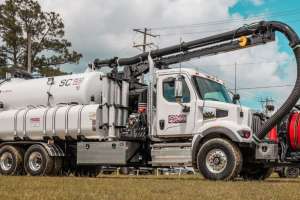
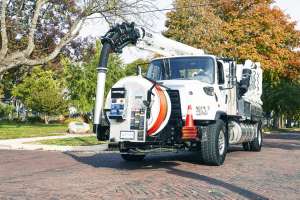
When you are driving the types of large vehicles that our industry operates, there are added hazards. These trucks have blind spots that normal vehicles do not have. They are heavier and wider than normal vehicles. Steering is different and stopping distance is longer. Another hazard associated with larger trucks is improper loading of cargo, whether it is overloaded or not properly tied down.
Also, our large trucks are pulling excavators, trench boxes and other equipment to job sites so that is an additional hazard potential that employees have to contend with. If the cargo is not tied down properly or the trailer is overloaded, then those are additional hazards that can be devastating if there is an incident.
Other hazards that might come into play are driver fatigue, weather like rain, sleet, freezing conditions and snow. Speeding, tailgating, impaired driving are other hazards that cause the majority of collisions on our roadways.
With all of these hazards that employees have to contend with, it is important to drive defensively at all times when operating on our roadways.
A defensive driver is defined as someone who intentionally uses specific driving skills to look for and avoid dangerous traffic situations before they happen. They actively anticipate the mistakes of other drivers and adapt to changing weather, road and traffic conditions to prevent collisions.
Key mindsets of a defensive driver
- Expect Mistakes: Assume other drivers will run red lights, turn without signaling or slam on their brakes.
- Stay Alert: Scan the road 10 to 15 seconds ahead to spot potential hazards early.
- Control Speed: Adjust velocity based on current visibility, weather and traffic density rather than just following the posted limit.
- Create Space: Maintain a safe cushion around the vehicle on all sides to allow for sudden escape routes. Avoid tailgating.
- Manage Emotions: Keep calm during stressful interactions and refuse to engage with aggressive or reckless drivers.
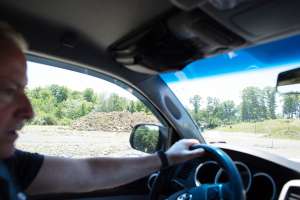
- Avoid Distractions: Turn off the cellphone, do not eat or groom while driving, secure items that might slide or fall, and manage pets.
Getting to the job site safely requires proper operation of a vehicle whether it’s a regular pickup truck or a larger truck hauling a trailer with equipment on it. Operators must be alert for other drivers as well as their own behaviors when driving to and from the job site. Stay alert and stay safe.
Continue reading for free