Only two of more than 7,000 public water systems received the Texas Commission on Environmental Quality’s Outstanding Public Drinking Water System Award in 2025.
One of them, Arlington Water Utilities, was also the sole recipient of the TCEQ Outstanding Cross-Connection Control Program Award.
For Alex Whiteway, director of Arlington Water, the recognition reflects the efforts of an entire organization: “We have a very supportive mayor and council, a very engaged executive leadership team and employees who genuinely care about what they do. Without our staff, none of this would be possible.”

That staff operates and maintains a water system that serves nearly 400,000 Arlington residents, more than 14 million annual visitors and multiple wholesale customers throughout Tarrant County. The utility maintains an extensive network of transmission, distribution and storage infrastructure, along with two water treatment plants.
Managing infrastructure at that scale requires long-term planning. Whiteway points to the utility’s capital improvement planning process as a key to maintaining quality service and preparing for future needs. “We have a very proactive capital plan,” he says. One component is a pressure zone improvement project expected to increase pressures in one area of the system by 10 to 15 psi.
From the source
Arlington Water purchases surface water from the Tarrant Regional Water District, drawing supplies from four reservoirs: Cedar Creek, Richland-Chambers, Lake Arlington and Lake Benbrook.
The raw water is treated at the Pierce-Burch and John F. Kubala water treatment plants. Pierce-Burch was constructed in 1972; the Kubala facility came online in 1989 and was expanded in 2000. They have a combined 172.5 mgd treatment capacity.
The Pierce-Burch plant receives water from Lake Arlington. The Kubala plant treats water from Richland-Chambers and Cedar Creek. Both plants apply ozone treatment (Veolia) to oxidize organic matter, iron and manganese for taste and odor reduction before the water moves through coagulation, flocculation and sedimentation.
A second ozone application stage provides further oxidation and improves the performance of the biological granular activated carbon filtration process (Calgon Carbon). Both ozone stages also provide disinfection.
At the Pierce-Burch plant, operators can also use an advanced oxidation process that combines ozone and hydrogen peroxide, mainly during periods of elevated geosmin and methylisoborneol concentrations, to address taste and odor events related to seasonal algal blooms.

“Lake Arlington water is a little bit more difficult to treat,” Whiteway says. After oxidation, alum and polymer are added before sedimentation, granular activated carbon filtration and chloramine disinfection.
Arlington Water is evaluating alternative filter underdrain technologies and conducting coagulant optimization studies aimed at reducing chemical consumption, lowering residuals management costs and improving overall treatment efficiency.
Preventive maintenance
For Whiteway, a quality operation includes proactive maintenance and asset management; the goal is to identify issues before they become problems: “Our preventive maintenance plan is extensive. We have actuators that have to be not only exercised but oiled and taken apart. We have thousands of valves in the treatment plant process. We have turbidimeters. We have filters. We have to know when to pull the trigger on replacement.”
Whiteway describes himself as a data nerd; he encourages staff to gather and share as much information as possible to support planning and investment decisions: “I tell the staff that we almost want to have that crystal ball to know what needs to be replaced.”
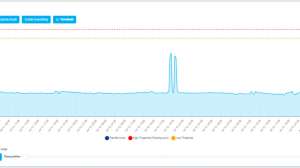
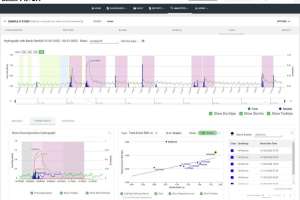
Technology plays an important role. Like most modern utilities, Arlington relies heavily on SCADA to monitor and operate its treatment facilities. The utility is transitioning to a new platform (VTSCADA by Trihedral) that will provide greater flexibility for staff. “It’s a little bit more user-friendly,” he says. “Basically, we can build our own pages to deliver what we need.”
Data only becomes valuable when it supports better decisions: “By having the data and a very proactive capital improvement plan, one that takes into account what the data means, we’re making the best decisions with the funds we have.”
Different perspectives
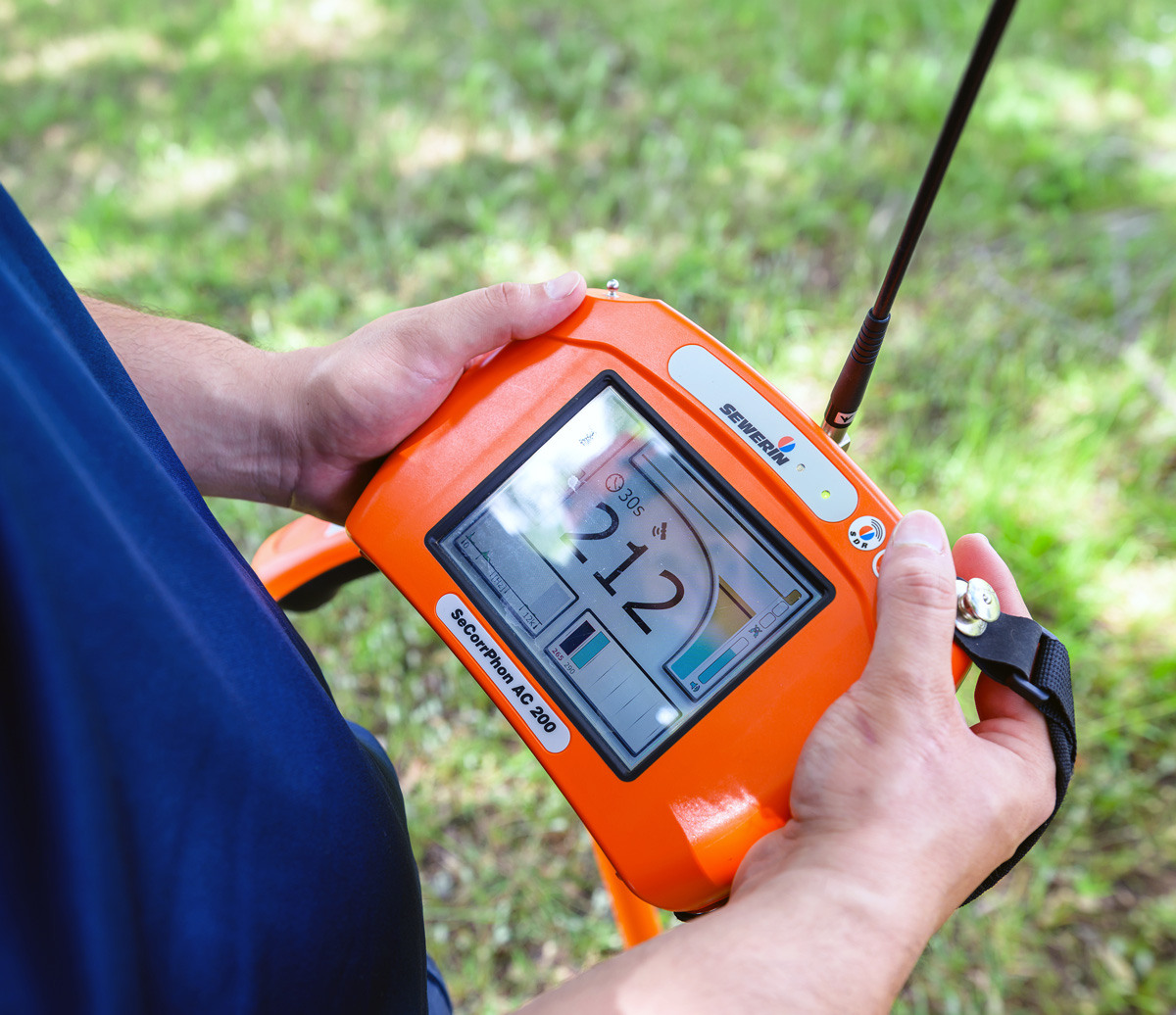
Data aside, Whiteway believes successful projects ultimately depend on people. From infrastructure improvements to treatment plant upgrades, Arlington Water emphasizes collaboration among engineering, operations, maintenance and field personnel throughout planning and design.
“I bring everyone into the mix whenever we have a project,” he says. “I remember a consultant saying once, ‘Alex, you’re the only one who really comes to these meetings with an entourage.” The reason is simple: engineers, operators and maintenance staff each bring different perspectives. “I know the plants from maybe two technologies ago,” he says. “I don’t do it every day. My staff is the one that runs the day-to-day operations.”
Conversations among the disciplines continue throughout the design process, which include 30%, 60% and 90% reviews. “The engineers are extremely intelligent, but they really don’t know everything it takes to operate the system,” Whiteway says. “The operators are also extremely intelligent and great at what they do, but they don’t know everything it takes to design the system.
“It doesn’t matter if you’ve been doing this for 30 years or for one year. Someone might have an idea that’s not only going to help the operation, but that could save thousands of dollars.”
Protecting the system
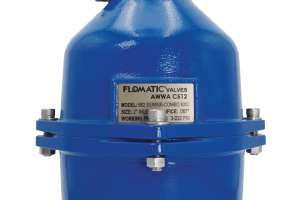
In the end, it’s about protecting water quality, and that extends to the entire system. Arlington Water’s cross-connection control program focuses on preventing contaminants from entering the potable water system through backflow events. It includes inspections, testing and oversight of backflow prevention assemblies throughout the city’s commercial, industrial and institutional facilities.
Maintaining a successful program requires both technical expertise and consistent follow-through. “It’s not something you can just put on autopilot,” Whiteway says. “You have to stay engaged with it.”
Cross-connection control was one of several areas TCEQ recognized, along with treatment operations, infrastructure management and regulatory compliance during plant award selection.
While the utility continues to invest in existing infrastructure, further improvements are already underway. Arlington Water has 10 elevated storage tanks; an 11th is under construction, and another is in the design phase. Other initiatives include continued SCADA modernization, treatment optimization studies and ongoing improvements at the Pierce-Burch treatment plant.
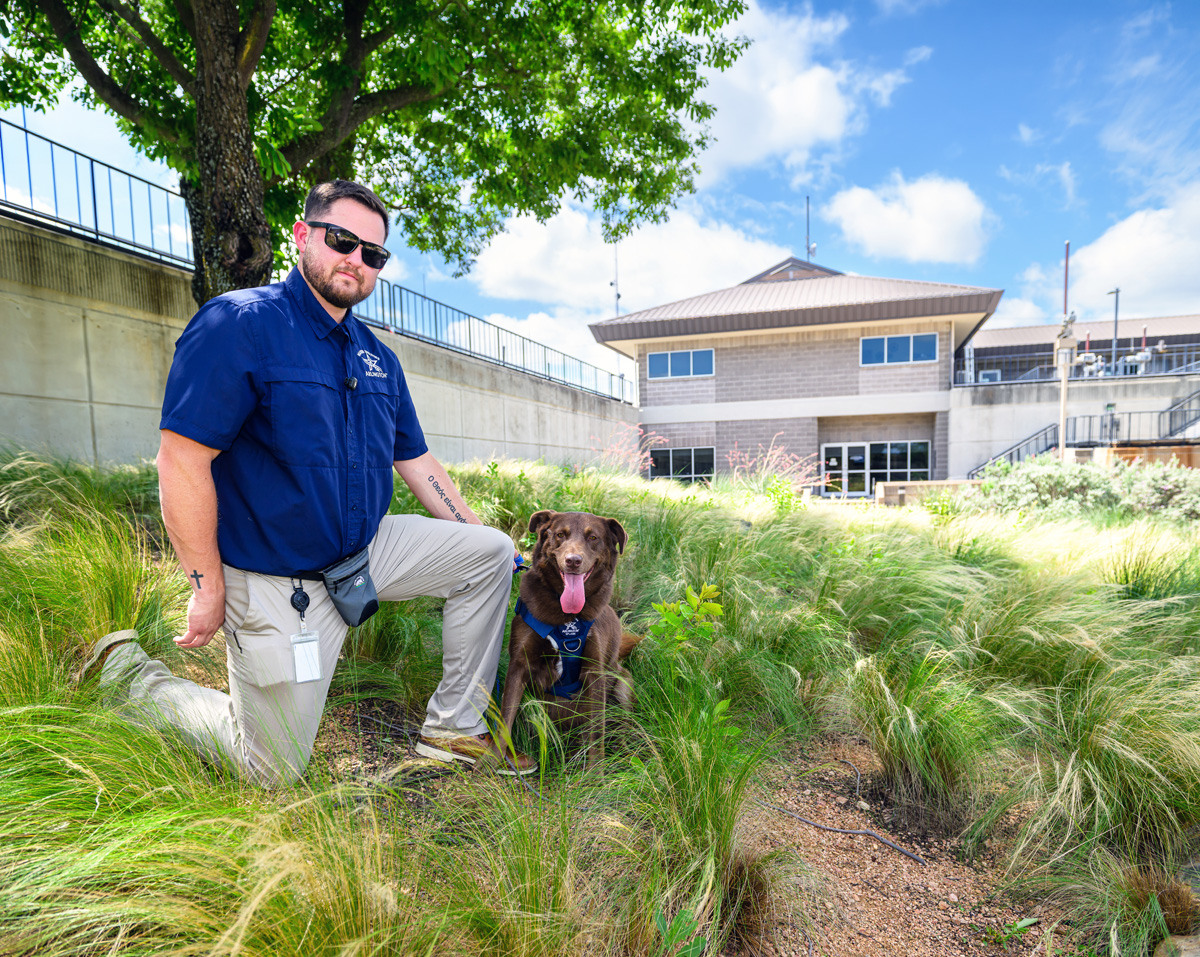
Whiteway is also looking for new ways to connect residents with the utility systems that operate largely behind the scenes. One of those efforts is Arlington Water Utilities University, a citizen education program where participants gain a better understanding of how the city’s water and wastewater systems operate. Through facility tours, presentations and discussions with utility staff, the program gives residents a firsthand look at the infrastructure and the people responsible for delivering essential services.
The goal is simple: helping the community better understand the complexity of the systems they rely on, the work required to keep them operating, and the services their water rates support.
Always innovating
As Arlington Water Utilities grows, Whiteway expects to keep evaluating new ideas, technologies and approaches that can improve operations and better serve customers. That includes major infrastructure projects and treatment plant improvements.
Other innovations begin with a simple question: Is there a better way to do something? While not every idea becomes a permanent solution, Whiteway believes utilities benefit from remaining open to new approaches and learning from the results.
For Arlington Water innovation is not about pursuing technology for its own sake. It is about finding practical solutions that help operators do their jobs more effectively and provide better service to the community.
Continue reading for free